Introducing the Revolution
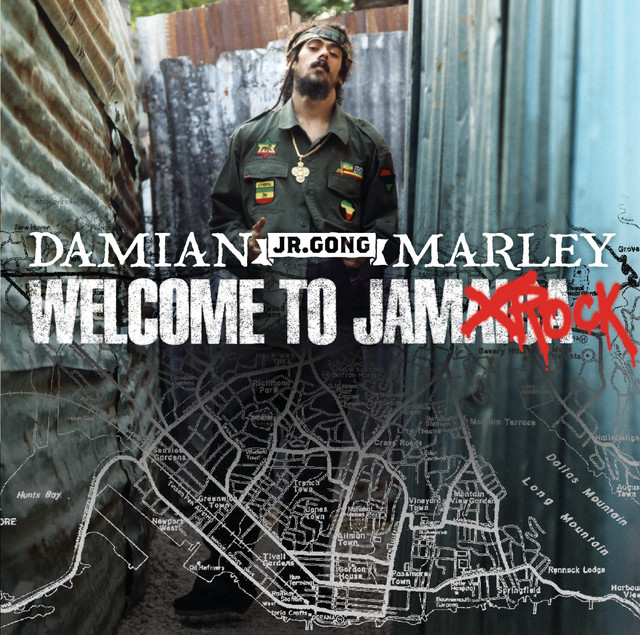
Released on September 12, 2005, Damian Marley's third studio album, Welcome To Jamrock, marked a watershed moment for reggae and dancehall music. Blending Marley’s signature reggae sound with urban hip-hop elements, particularly through collaborations with figures like Nas, the album radiated a raw energy that not only transformed Jamaica's musical narrative but also altered its global image.
Unpacking the Lyrics
At the heart of the album is the title track, "Welcome to Jamrock," where Marley captures the harsh realities of life in Jamaica. His lyrics, steeped in socio-political commentary, paint a vivid picture of the struggles faced by the youth. Lines such as
resonate with a haunting intensity, highlighting themes of violence and systemic neglect."Out in the streets, they call it murder"
A Catalyst for Change
This unvarnished portrayal of Jamaican life sparked a broader conversation about youth activism. The album became an anthem for young people seeking to reclaim their identity and advocate for social justice. In a country often stigmatized by crime and poverty, Marley's music offered a reminder of resilience and hope.
In 2006, "Welcome to Jamrock" won a Grammy Award for Best Reggae Album, further elevating Marley's status as a global ambassador for Jamaican culture.
Global Impact
As the track gained international traction, it reshaped the perception of Jamaica beyond its beaches and resorts. Marley’s gritty narrative forced listeners to confront uncomfortable truths. The line
became a rallying cry, encouraging a generation to engage with issues of inequality and injustice."And the youths dem a suffer"
Youth Activism and Cultural Identity
Marley's influence extended into the realm of activism. Youth groups in Jamaica began to adopt his messages, using music as a platform to address social issues. The fusion of reggae with hip-hop also resonated with young people globally, bridging cultural gaps and fostering a sense of solidarity.
The Soundtrack of a Movement
Marley’s collaboration with artists like Nas on tracks such as “There for You” further emphasized the album's duality, merging reggae’s roots with hip-hop’s storytelling prowess. This fusion not only enriched the musical landscape but also highlighted the universal nature of struggle and resistance.
Lasting Legacy
Nearly two decades later, the impact of Welcome To Jamrock is still palpable. The album has become a touchstone for discussions on race, identity, and activism, both in Jamaica and around the world. As the youth continue to grapple with systemic issues, Marley's music serves as both a reminder and a motivator.
Damian Marley is often referred to as “Jr. Gong” as a tribute to his father, Bob Marley, whose legacy continues to inspire generations.
A Cultural Renaissance
In many ways, Welcome To Jamrock was a cultural renaissance for Jamaica. It not only showcased the depth and diversity of Jamaican music but also positioned the island as a vital player on the global stage of social justice. Damian Marley’s ability to weave personal and political narratives into his music has left an indelible mark, inspiring countless artists and activists alike.
Conclusion
Ultimately, Welcome To Jamrock transcended the realm of music; it became a powerful instrument for change. Through its unflinching examination of reality, it challenged listeners to rethink their perceptions of Jamaica and engaged youth in a dialogue about activism. In a world rife with inequity, Marley's work remains a beacon of hope and a call to action.