Roots of Rastafari in 'Road to Zion'
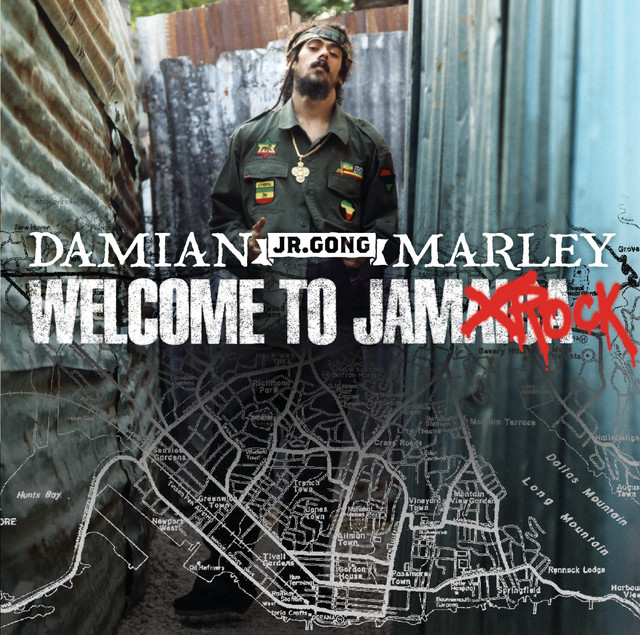
Damian Marley's "Road to Zion," a standout track from his 2005 album Welcome to Jamrock, is a profound exploration of Rastafarian philosophy and its intricate relationship with identity, spirituality, and social justice. As the second youngest child of reggae icon Bob Marley, Damian carries a legacy that is steeped in the values and beliefs of Rastafari, and this song serves as a testament to that heritage.
The track features a captivating blend of reggae and hip-hop, with Marley’s smooth flow juxtaposed against traditional reggae rhythms. Produced by Marley himself, the song's beats create an inviting backdrop for a lyrical journey that is both personal and universal.
The Significance of Zion
Central to Rastafarian belief is the concept of Zion, which represents a promised land—often identified with Ethiopia and the African diaspora. In "Road to Zion," Marley articulates this yearning for a spiritual home, addressing not just a physical destination but an emotional and cultural sanctuary. He raps about the struggles faced by his people and points towards a collective aspiration for freedom and peace.
"We’ve got to find a way to get out of this situation"
This lyric encapsulates a sentiment echoed throughout Rastafarian teachings, where finding liberation from oppression is paramount. Marley’s invocation of finding a way out speaks not only to personal struggles but also to a broader societal context in which many marginalized communities find themselves.
Spiritual Freedom and Consciousness
Marley’s lyrics often reflect the Rastafarian tenet of spiritual enlightenment. In "Road to Zion," he emphasizes the importance of consciousness and self-awareness in the pursuit of freedom. He urges listeners to awaken to their potential and realize their worth, a message that resonates within the Rastafarian community.
"I keep my ideals in a pyramid"
This metaphorical reference to a pyramid signifies the strength and stability of one’s beliefs. It suggests that just as a pyramid stands firm through the ages, one's ideals should remain steadfast amidst life’s challenges. It underscores the Rastafarian focus on a strong moral foundation.
The Reality of Struggle
While Rastafarian philosophy often promotes hope and redemption, "Road to Zion" doesn’t shy away from addressing the harsh realities faced by those in the community. Marley confronts the systemic issues stemming from colonialism and socio-economic disenfranchisement. He articulates the pain and anger that accompany these struggles, making the message all the more powerful.
"You can’t take my soul, you can’t take my soul"
With this repetition, Marley emphasizes resilience in the face of adversity. It’s a rallying cry for maintaining one’s identity and spirit, a core principle in Rastafarian thought. The struggle for self-ownership and autonomy is a recurring theme in both Marley's music and Rastafarian philosophy.
Cultural Legacy and Modern Relevance
Damian Marley’s work, especially in "Road to Zion," not only honors his father’s legacy but also revitalizes the Rastafarian message for a modern audience. He bridges the gap between generations, making the teachings of Rastafari relevant in today’s socio-political climate.
The song has become an anthem for those fighting systemic injustice, showcasing the enduring power of reggae as a tool for social change.
In the contemporary landscape, where movements for racial and social justice continue to gain momentum, Marley's incorporation of Rastafarian philosophy serves as a reminder of the importance of cultural roots in the quest for liberation. The journey to Zion, as articulated in this track, is not just a personal quest but a collective movement towards healing and justice.
A Lasting Impact
Ultimately, "Road to Zion" is more than just a song; it’s a declaration of resilience, a call to action, and a spiritual quest. Damian Marley skillfully intertwines Rastafarian ideals with the realities of modern life, creating a powerful narrative that resonates across cultural and generational lines. This track stands as a significant chapter in the ongoing story of reggae music, affirming the genre's role as a voice for the voiceless and a platform for change.