Roots of Influence
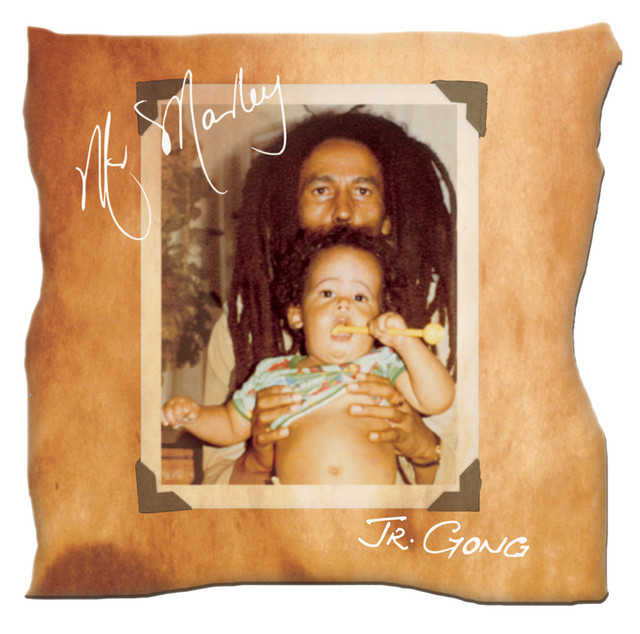
Damian Marley, known as Jr. Gong, carries the weight of his father Bob Marley's legacy while carving out his own identity in the reggae landscape. Released in 1996, the track "Me Name Jr. Gong" from the album Mr. Marley serves as a powerful testament to this duality. The song encapsulates not only familial pride but also a commitment to the cultural and spiritual ethos that Bob championed.
A Tribute to Heritage
In "Me Name Jr. Gong," Damian openly acknowledges his lineage, a lineage steeped in the rich traditions of Rastafarianism and reggae music. The title itself is a direct nod to his father's nickname, "Gong," which signifies respect and honor within the Rastafarian community. This is not merely a declaration of heritage; it’s a call to uphold the values and messages that Bob Marley imparted through his music.
Musical Foundations
Musically, Damian’s sound in "Me Name Jr. Gong" reflects the foundational elements of Bob’s work but is also layered with contemporary influences. Produced by the legendary Stephen Marley, the track combines traditional reggae rhythms with a modern twist, allowing Damian to honor his father while also pushing boundaries. The fusion of classic reggae with hip-hop elements, a hallmark of Damian’s style, showcases his ability to evolve while staying true to roots.
Lyricism and Identity
Damian’s lyrics in "Me Name Jr. Gong" speak directly to the struggles and triumphs of Jamaican life, echoing themes found in Bob's work. Lines like
highlight his dual existence: a public figure celebrated for his music and a private individual navigating personal challenges. The imagery of the lion, a symbol of strength and courage, not only connects to his heritage but also illustrates his aspiration to live up to the Marley legacy."I’m a lion in the jungle, I’m a ghost in the crowd"
Spiritual Connection
The spiritual undercurrents in Bob Marley’s music run deep in Damian's work as well. The Rastafarian influence is palpable, and Damian often reflects on the social and political issues faced by his homeland. In "Me Name Jr. Gong," he channels Bob’s advocacy for peace and justice, reinforcing the importance of using music as a vehicle for change. His commitment to these ideals makes the connection to his father not just a familial tie but a moral obligation.
Continuing the Legacy
As the second youngest son of Bob Marley, Damian has taken the torch and set it ablaze with his own contributions to reggae. His Grammy-winning album Welcome to Jamrock, released in 2005, further solidified his place in the music world, blending socio-political commentary with infectious rhythms. Songs like "Welcome to Jamrock" echo the struggles of Jamaican life, much like his father did in classics such as "Get Up, Stand Up."
A Personal Journey
Damian Marley’s journey is not only about continuing a legacy; it's a personal exploration of what it means to be a Marley in a modern world. "Me Name Jr. Gong" captures this essence, intertwining personal identity with a broader cultural narrative. In a world that often seeks to commodify legacy, Damian remains grounded in authenticity, illustrating that while he is Bob's son, he is also his own man.
Did you know? Damian Marley is the recipient of four Grammy Awards, showcasing his significant impact in the world of reggae music.
Conclusion: An Ever-Expanding Legacy
At its core, "Me Name Jr. Gong" serves as both a homage and a declaration. Damian Marley stands not only in the shadow of his father but also as a beacon of his own artistic vision. The influences of Bob Marley shape his identity, yet Damian's music glows with originality, proving that while the past is vital, the future is where true evolution lies.