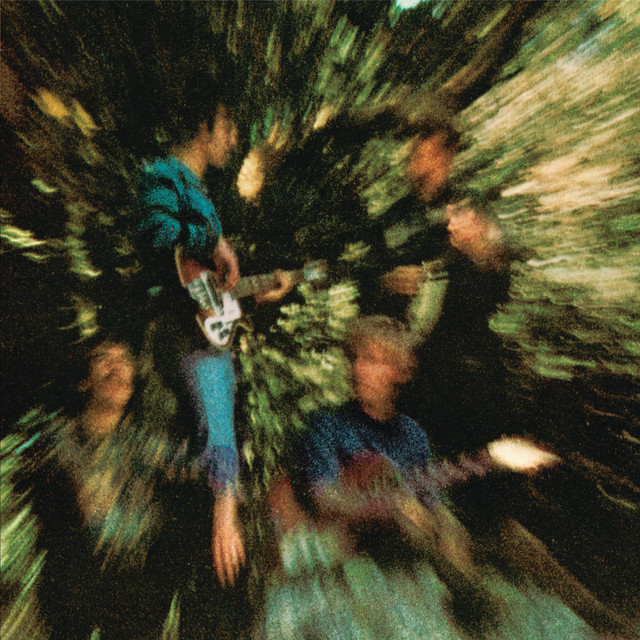
The Origins of 'Proud Mary'
Creedence Clearwater Revival's 'Proud Mary,' written by John Fogerty and released in 1969, emerged as a staple of rock music. The track, featured on their album Bayou Country, combined rock and roll with a hint of swamp blues, capturing the essence of Americana in just under three minutes. The song's vivid imagery of the riverboat life and the longing for escape resonated with listeners, making its mark on the charts.
However, it was Tina Turner’s interpretation of the song in 1971 that truly transformed its legacy. Her rendition, recorded with Ike Turner for the album Workin' Together, took the original's rootsy vibe and infused it with a fierce energy that was unmistakably her own.
Tina's Transformation
Turner’s version opens with a slow, soulful intro that contrasts sharply with Creedence’s upbeat rock tempo. As she delivers the line,
, her voice swells with emotion. This transition from a laid-back groove to an explosive chorus showcased her vocal prowess and stage presence. The arrangement was more than just a cover; it was a complete reimagining."Big wheel keep on turnin', proud Mary keep on burnin'"
By the time the song hits its stride, Turner transforms it into an anthem. Her ability to convey both strength and vulnerability made 'Proud Mary' a powerful statement about resilience and freedom. The electrifying energy she brought to the performance became a hallmark of her live shows, turning the song into a must-see spectacle.
A Shift in Perception
Before Turner's version, 'Proud Mary' was primarily seen as a classic rock staple. Post-1971, it became synonymous with Turner herself. The song's identity shifted; it was no longer just a Creedence hit but a vehicle for Turner's fiery spirit and unmatched talent. This shift in perception is evident in how the song has been embraced across generations.
Turner’s rendition won her a Grammy Award for Best Female Rock Vocal Performance in 1972, further solidifying her status as a music icon.
Turner's cover also paved the way for future artists to reinterpret classic songs with fresh perspectives. The success of her version encouraged musicians to explore the depths of their creativity rather than simply replicate the originals. This notion of reinvention became a pivotal element in pop and rock music.
The Live Legacy
One cannot discuss the impact of Turner's 'Proud Mary' without mentioning her iconic performances. The live rendition, especially during the Mad Max: Beyond Thunderdome era, became legendary. With dynamic choreography and her unmatched charisma, Turner transformed the stage into a celebration of life and music. The audience was not just listening; they were part of an experience.
Her ability to connect with fans through this song illustrates how a single cover can reshape an artist's career and elevate a song's status. Turner didn’t just sing 'Proud Mary'—she became its embodiment, breathing new life into the lyrics and the sentiment behind them.
The Cultural Impact
The cultural significance of Turner's 'Proud Mary' extends beyond music. It became an anthem for empowerment, particularly for Black women in rock and pop. Turner's success in a predominantly white genre broke barriers and opened doors, inspiring countless artists to pursue their paths boldly. Her version of 'Proud Mary' is often credited with helping to redefine rock music in the 1970s and beyond.
Today, covers of 'Proud Mary' continue to emerge, each artist adding their spin, yet none have quite captured the raw energy and soul that Turner infused into her version. The song lives on, not just as a classic, but as a testament to Turner's artistry and the power of reinvention in music.