Unpacking the UFO Phenomenon
The 1960s were a time of seismic shifts in American culture, and one of the most intriguing phenomena of the era was the obsession with UFOs. Movies, television shows, and literature were saturated with extraterrestrial themes, reflecting both a fascination with the unknown and a deep-seated anxiety about the future. Creedence Clearwater Revival (CCR) tapped into this zeitgeist with their 1970 track, "It Came Out Of The Sky." The song does more than narrate an encounter with a UFO; it serves as a commentary on societal fears that were rampant during the decade.
A Musical Snapshot of Distrust
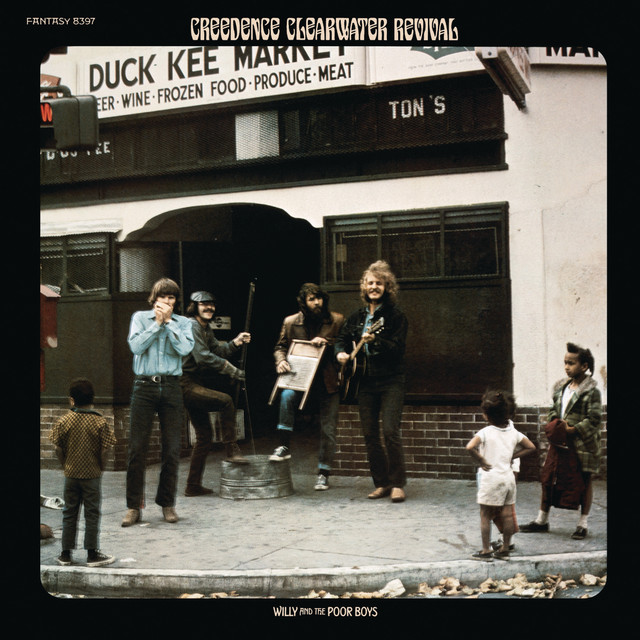
Released on the album "Willy and the Poor Boys," produced by the legendary John Fogerty, "It Came Out Of The Sky" is a quintessential CCR tune that blends rock with a touch of Americana storytelling. The lyrics tell the story of a small-town citizen who witnesses a UFO landing, triggering a series of reactions that expose the paranoia woven into the fabric of American life. With the lines,
, Fogerty's vivid imagery transports listeners to a world where the ordinary meets the extraordinary, echoing the sentiments of a public grappling with the unknown."It came out of the sky, landed just a little south of Moline"
UFOs and the American Psyche
During the 1960s, events like the Roswell incident and the emergence of the UFO movement captured the imagination of the public. Shows like "The Twilight Zone" and films such as "The Day the Earth Stood Still" played into the fears of invasion and the loss of control. These cultural artifacts laid the groundwork for a broader skepticism of authority and the government — themes that CCR often explored. The lyric
hints at the distrust of figures in power, suggesting that the government might be hiding the truth about these unidentified flying objects."There’s a man in a suit, he’s got a lot to say"
Fusing Genres and Themes
Musically, CCR's blend of swamp rock, blues, and folk was perfectly suited for tackling heavy themes while maintaining a catchy, accessible sound. Unlike many contemporaries who veered into psychedelic territory, CCR focused on the roots of American music to convey their messages. "It Came Out Of The Sky" embodies this approach, where the upbeat rhythm contrasts with the darker implications of the lyrics, reflecting the duality of 1960s America—a nation excited by the possibilities of the cosmos but fearful of what it might bring.
The Broader Impact of 'It Came Out Of The Sky'
In the context of the late 1960s and early 1970s, the song stands as a critique of the era’s paranoia and sensationalism surrounding UFO sightings. The chorus, with its infectious melody, invites listeners to join in on the fun while simultaneously confronting the underlying anxieties. This playful yet serious take not only makes it a standout track on the album but also solidifies CCR's role as a voice that captured the era's spirit.
A Legacy of Inquiry
Creedence Clearwater Revival's ability to weave cultural commentary into their music has left a lasting impact. "It Came Out Of The Sky" is not merely a novelty song; it’s an artifact of a particular moment in time, reflecting the complexities of a society grappling with the unknown. The track invites listeners to question not only what lies beyond the stars but also the narratives fed to them by those in power.
Interesting fact: "It Came Out Of The Sky" was part of the album "Willy and the Poor Boys," released in 1969, which solidified CCR’s reputation as one of the defining bands of the era.
The influence of UFO culture on this track highlights the power of music as a medium for societal reflection. Creedence Clearwater Revival took a light-hearted premise and turned it into a serious contemplation of life in turbulent times, proving that even the skies above can inspire deep introspection.