The Storm Before the Calm
When John Fogerty penned "Have You Ever Seen The Rain" in 1970, the world was witnessing both the rise and fall of Creedence Clearwater Revival. Released as a single in early 1971, the song reflects a deep undercurrent of personal and professional turmoil within the band.
At the heart of the song is a sense of inevitability and melancholy that mirrors Fogerty's own life. As the band's popularity peaked, internal conflicts began to fester. Fogerty's vision for the band clashed with that of his brother, Tom, and the other members, creating a storm that would eventually lead to their breakup.
A Personal Reflection
The lyrics convey a longing for clarity amidst chaos. When Fogerty sings,
, it’s not just a rhetorical question; it’s a reflection of his struggles with the duality of success and personal despair. The metaphor of rain falling on a sunny day encapsulates the contradictions in his life—fame was blossoming, yet discontent loomed ominously."I want to know, have you ever seen the rain, coming down on a sunny day?"
Interestingly, the song was composed during a turbulent time for the band, as they were transitioning from their earlier, more straightforward rock sound to something more introspective. This shift in direction can be traced back to the pressures of their rapid rise, which left Fogerty grappling with expectations and his own artistic integrity.
The Weight of Expectations
Fogerty has often spoken about the immense pressure he felt during this period. As the primary songwriter, he bore the brunt of both creative expectations and the burden of his bandmates' frustrations. This combination led to an emotional strain that is palpable in the song.
In the line,
Fogerty captures a sense of foreboding. It's a premonition of the struggles to come—not just for him personally, but for the band as a whole. The imagery conveys a stark reality that contrasts sharply with the upbeat rock sound they had become known for."Yesterday, and days before, the sun is cold and the rain is hard,"
Behind the Success
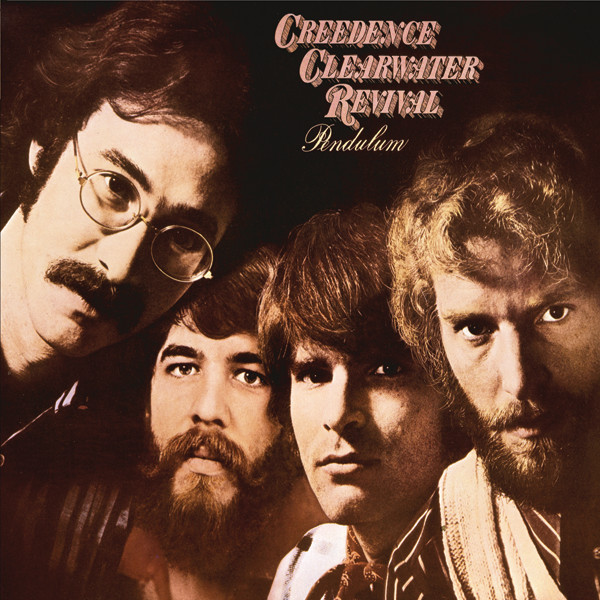
Despite the turmoil, "Have You Ever Seen The Rain" became one of the band's most beloved tracks, illustrating how art can emerge from chaos. The song appeared on the album "Pendulum," which was released in 1970, and while it was a commercial success, it marked the beginning of the end for CCR’s original lineup.
Fogerty's songwriting was always deeply personal, but this song stands out as a testament to his ability to channel hardship into something universally relatable. The haunting melody paired with the bittersweet lyrics serves as a reminder that even in times of joy, shadows can linger.
Legacy of Reflection
As time passed, the implications of the lyrics became clearer. Fogerty's reflection on the inevitable rain had a dual meaning: it was about his own impending separation from the band, as well as a broader commentary on the fleeting nature of success. The band's eventual dissolution in 1972 only adds another layer of poignancy to the song.
In retrospect, "Have You Ever Seen The Rain" is not just a song about weather; it’s a profound exploration of the human experience. It captures the cycles of joy and sorrow that define life, making it resonate with audiences even decades after its release.
Did you know? John Fogerty has mentioned that the song was inspired by the tumultuous atmosphere of the band and his personal feelings at the time.
A Universal Truth
Ultimately, "Have You Ever Seen The Rain" transcends its origins. It speaks to anyone who has felt the weight of expectation and the inevitability of change. The song remains a powerful reminder that even amidst turmoil, art can flourish and connect us all.