The Weight of a Nation
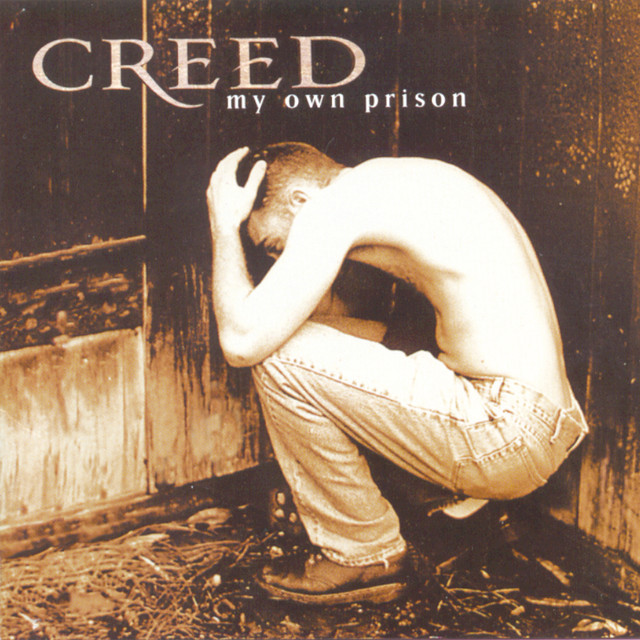
In the wake of the September 11 attacks, the American psyche was fractured, grappling with loss and uncertainty. Creed, a band already known for their introspective sound, found themselves at the crossroads of personal and national anguish. Their song "One," a track from their 1997 debut album My Own Prison, emerged as an unexpected anthem during this turbulent period, capturing the collective grief and yearning for unity.
A Shift in Context
Originally released as a single in 1998, "One" was not explicitly about 9/11. However, as the nation reeled from the attacks, the song's themes resonated with a public desperate for solace. The lyrics, which explore themes of isolation and a longing for connection, took on new life amidst the chaos. Scott Stapp’s powerful vocals and the band’s signature post-grunge sound provided a cathartic release for listeners.
"The world is a lonely place, but you are not alone."
Lines like these, though originally penned before the tragedy, felt like a balm for the wounded spirit of a nation. Creed’s ability to articulate feelings of despair and hope in a single breath became a defining characteristic of their music and, crucially, of their impact in this moment.
Emotional Resonance
“One” stands out not just as a song but as an emotional touchstone. Released during a time when many grappled with feelings of helplessness, it acted as a reminder of shared experiences. The chorus, a call for unity, reverberated with those seeking comfort in community. In a way, it became a rallying cry, echoing the sentiments of many who felt adrift.
Though "One" was not written specifically about 9/11, its themes of connection and solace transformed it into an anthem for healing.
The Band's Journey
Creed's evolution as a band in the wake of their initial success was marked by both critical acclaim and backlash. Their sound, steeped in heavy guitar riffs and soaring melodies, often drew comparisons to other rock giants of the era. However, as they continued to release music, the societal context shifted, and the expectations placed upon them grew. The pressure to navigate the aftermath of 9/11 while remaining true to their artistic vision became palpable.
Legacy and Reflection
Years after the dust settled, the legacy of songs like "One" continues to be felt. As the nation reflects on the events of that day, Creed's work serves as a reminder of the power of music as a healing force. The band’s ability to encapsulate the zeitgeist of a particular moment speaks to their relevance in the rock genre, even as they faced their share of controversies and changes in public perception.
"We are one, but we are not the same. We get to carry each other."
This lyric succinctly captures the essence of what many sought during times of crisis: a shared experience that transcends individuality. In a post-9/11 world, where divisions often seemed insurmountable, Creed offered a perspective that encouraged solidarity. Their music, once considered a mere soundtrack to the late '90s, evolved into an emotional lifeline during one of the nation's most challenging periods.
Conclusion: A Song for the Ages
In examining Creed's "One" through the lens of 9/11, it becomes clear that the song is more than just a collection of notes and lyrics; it is a reflection of a time when the world seemed to teeter on the edge. As we continue to navigate the complexities of human connection, Creed's message remains relevant, reminding us of the strength found in unity and understanding.