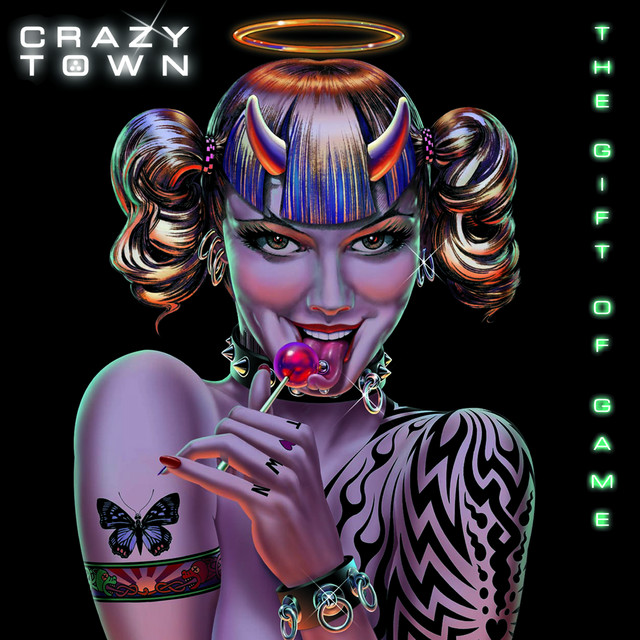
The Rise of Butterfly
Crazy Town's "Butterfly," released in October 2000 as the third single from their debut album, The Gift, became a pop culture phenomenon. Blurring the lines between rap and rock, this song soared to number one on the Billboard Hot 100, a milestone that cemented its place in music history.
The track is often viewed through the lens of its catchy chorus and infectious energy. Yet, its connection to the fashion statements of the 90s alternative scene is equally compelling and often overlooked.
90s Alternative Fashion: A Cultural Shift
The 90s were a vibrant era for alternative fashion, characterized by an eclectic mix of styles ranging from grunge to hip-hop influences. Bands like Nirvana and Pearl Jam defined a look that was both rebellious and authentic, while the rise of hip-hop introduced oversized tees, baggy jeans, and bold accessories.
Crazy Town, though primarily an alt-rap-metal outfit, tapped into this aesthetic unintentionally with "Butterfly." Their style, featuring colorful tattoos, cargo pants, and an overall streetwise vibe, mirrored the fashion sensibilities of the era. The line between genres blurred, and fashion followed suit.
The Butterfly Effect in Fashion
The lyrics of "Butterfly" speak to themes of desire and transformation, encapsulated in the metaphor of a butterfly emerging from a cocoon. This idea of metamorphosis resonated not just in music but also in the visual culture of the time. The song’s chorus,
, evokes imagery that aligns perfectly with the playful yet edgy fashion choices of the 90s."Come my lady, come, come my lady / You're my butterfly, sugar baby"
As the song gained traction, so did the popularity of butterfly motifs in clothing and accessories. From graphic tees to butterfly clips, the imagery became synonymous with youthful rebellion and self-expression. This trend was a natural extension of what 90s alternative fashion stood for — breaking away from the mainstream and embracing individuality.
The Hybrid Nature of 90s Aesthetics
Crazy Town's blend of genres was also reflected in the fashion scene. Just as the band fused rock and rap, the 90s alternative fashion landscape combined elements from various subcultures. The rise of skate culture, punk influences, and hip-hop styles created a melting pot that allowed for creative expression.
In the music video for "Butterfly," the vibrant colors and chaotic visuals further illustrate this fusion. The eclectic look of the band members, adorned with tattoos and casual wear, serves as a reminder of how music and fashion were intertwined during this period.
Legacy and Influence
Despite being a product of the early 2000s, "Butterfly" remains an anthem that evokes nostalgia for the 90s. Its catchy hooks and vivid imagery have ensured its enduring presence in pop culture. Furthermore, the song's unexpected fashion connections have resurfaced in recent years, as trends from the 90s continue to make a comeback in mainstream fashion.
Interesting fact: Crazy Town was more widely recognized as an alt-rap-metal group, but their biggest hit, "Butterfly," often overshadowed their heavier work.
As we look back on the 90s and early 2000s, it's clear that "Butterfly" represents more than just a moment in music. It encapsulates a time when music, fashion, and culture collided, allowing for a rich tapestry of expression that continues to inspire today.