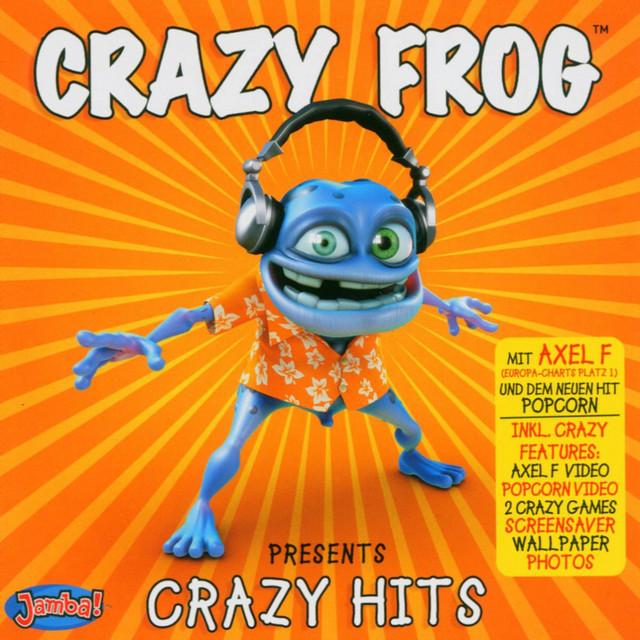
The Unlikely Rise of Crazy Frog
In 2005, the world was introduced to a character that would forever change the landscape of novelty music. Crazy Frog, a cartoonish amphibian known for its two-stroke engine sound, burst onto the scene with a cover of Harold Faltermeyer’s iconic theme from *Beverly Hills Cop*, titled "Axel F." The track’s infectious beat and quirky visuals made it an instant sensation, catapulting it to the top of charts worldwide.
A Nostalgic Hook with a Modern Twist
The appeal of "Axel F" lies in its clever blending of nostalgia and contemporary sound. The original *Axel F* theme, released in 1984, was already a beloved piece of pop culture. Crazy Frog's version, however, adds a playful twist with its upbeat tempo and the signature sound of the character's engine revving, which became an unforgettable hook.
Chart Domination and Cultural Impact
Crazy Frog’s rendition of "Axel F" dominated the charts, reaching number one in several countries, including the UK and Australia. The absurdity of a cartoon frog dancing to a techno beat struck a chord with audiences, proving that novelty records could not only sell but also dominate the airwaves.
"Ding ding, da ding, da ding, da ding!"
These nonsensical yet catchy sounds became an anthem of sorts, echoing through clubs and on radio stations. It wasn't just a song; it was a cultural phenomenon that reflected the early 2000s' obsession with internet memes and virality.
The Role of Technology and the Internet
The rise of Crazy Frog coincided with the explosion of the internet and digital media. The character was initially conceived by Erik Wernquist in 2003 as a CGI animation, but it was the viral marketing and meme culture that propelled it into mainstream consciousness. The song’s music video, featuring Crazy Frog’s distinctive dance, became a staple on platforms like YouTube, further contributing to its popularity.
The Crazy Frog character was created in 2003 by Swedish animator Erik Wernquist and became a sensation in both music and animation.
Critique and Legacy
Despite its commercial success, "Axel F" has faced criticism for its lack of depth and artistic merit. Critics have dismissed it as a mere gimmick, but the song’s ability to captivate a global audience cannot be ignored. It serves as a reminder that music doesn’t always have to be serious to be impactful.
In retrospect, Crazy Frog’s "Axel F" opened the door for other novelty acts and paved the way for a new genre of music that embraces humor and absurdity. Its legacy is evident in how modern artists blend catchy hooks with unconventional themes, a trend that continues to thrive.
Conclusion
Crazy Frog's "Axel F" may not be everyone’s cup of tea, but its journey from internet meme to chart-topping hit is a testament to the unpredictable nature of music and pop culture. It challenged notions of what could be successful in the music industry, proving that sometimes, all it takes is a silly character and a catchy beat to capture the world's attention.