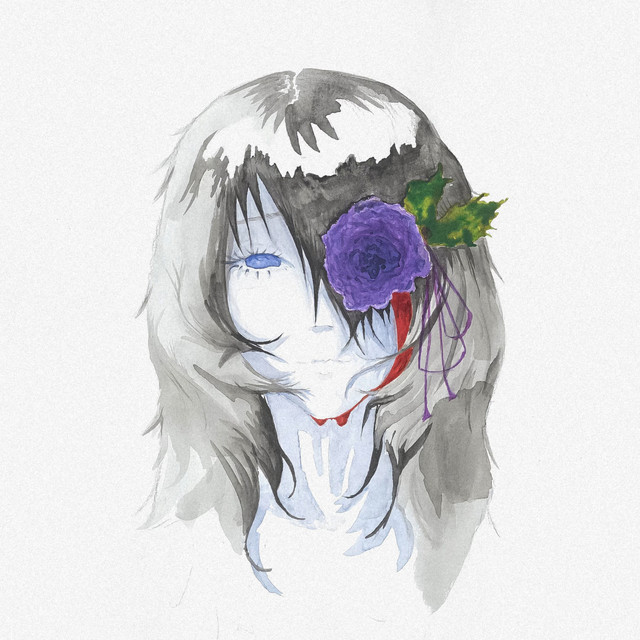
The Chilling Symbolism of Preservation
In "Taxidermy," Clarion unearths a haunting metaphor for modern relationships, using taxidermy as a lens to examine emotional stagnation and the often grotesque nature of holding onto the past. The song, from their 2023 album *Ghosts of Yesterday*, reveals a narrative rich with imagery that prompts listeners to question what it means to preserve love in a state that may be more morbid than romantic.
Clarion's frontwoman, Sarah Keene, delivers a chilling vocal performance that echoes through the haunting instrumentation crafted by producer Jamie Leech. The song opens with a stark line that introduces the theme:
This sets the stage for a dissection of relationships that have lost their vitality, resembling artifacts rather than living connections."Love is a specimen, preserved in glass."
Echoes of the Past
The imagery of taxidermy isn’t just a gimmick; it serves as a powerful symbol of how people often cling to relationships long after they have ceased to thrive. Keene’s lyrics evoke a sense of entrapment, as if the subjects of her songs are caught in a museum of memories, unable to move forward. The line
encapsulates this sentiment perfectly, illustrating the paradox of preserving what was once vibrant but is now lifeless."Hearts on display, but the love’s gone away"
Modern Relationships Under Glass
In an age where digital mementos—photos, texts, and social media posts—serve as modern-day artifacts, Clarion's exploration feels particularly relevant. The desire to capture moments can lead to a skewed perception of what relationships should be. Instead of allowing love to evolve, we risk turning it into a mere exhibit, frozen in time and stripped of its original essence.
The song doesn't shy away from the discomfort of this realization. Lines like
reflect the futility of attempting to revive emotions that have long since faded. Clarion challenges us to confront the parts of ourselves that cling to the past, often at the expense of present happiness."I stitched together a heart that never beats"
The Victorian Museum of Taxidermy
The choice to employ taxidermy as symbolism has historical roots, evoking Victorian-era fascination with preservation and the macabre. In the song, Clarion hints at this connection, tapping into a broader cultural context where objects of beauty or interest are often rendered lifeless for display. This resonates with how many approach their relationships today, viewing them as trophies rather than living, breathing entities.
Interestingly, the song's narrative parallels the allure of real-life museums, where tourists flock to see taxidermy exhibits, much like how people may cling to the notion of a perfect relationship, even when it’s just a façade.
Emotional Taxidermy
Ultimately, "Taxidermy" serves as a cautionary tale about the dangers of emotional preservation. Clarion urges listeners to confront the reality that not all relationships are meant to last, and holding onto them can lead to a stunted emotional existence. The lyrics challenge the idea that love must be preserved at all costs, inviting a more organic approach to relationships that allows for growth and change.
As the song crescendos, Keene's voice rises in intensity, reflecting the urgency of this message. The final lines resonate with a sense of liberation, suggesting that letting go can lead to a brighter future, free from the weight of the past.
Rethinking Preservation
In a world increasingly obsessed with maintaining appearances, Clarion’s "Taxidermy" invites an uncomfortable yet necessary reflection on the nature of love and memory. It pushes us to consider whether we are preserving relationships to honor them or simply to avoid the pain of moving on. This song is not just a critique of modern love; it’s a call to embrace change, to allow feelings to evolve, and to live fully in the present.