Driving into the Unknown
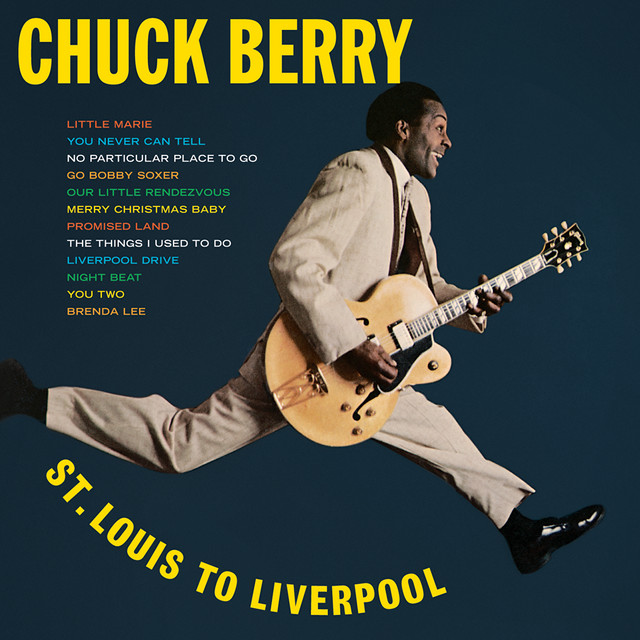
Chuck Berry's "No Particular Place To Go," released as a single in May 1964, is more than just a catchy tune; it’s a cultural artifact that illustrates a pivotal moment in American society. The song, which appears on the album St. Louis to Liverpool, captures the essence of a generation seeking freedom and adventure on the open road.
As the 1960s unfolded, car culture began to define the American experience. The post-war economy had shifted, and with it came a boom in automobile ownership. Young people craved mobility, and Berry's lyrics speak directly to that desire. In the song, he sings about driving aimlessly, reflecting a carefree spirit that resonated with many during this transformative time.
Freedom on Four Wheels
The imagery of driving without a destination perfectly encapsulates the ethos of the era. When Berry croons about just wanting to “drive my car,” he taps into a larger narrative of youthful rebellion and exploration. The automobile became a symbol of freedom, allowing teenagers to escape the constraints of their homes and communities.
"No particular place to go"
This line speaks volumes about the wandering mindset of the youth. Unlike previous generations, who may have sought stability and conformity, the 1960s youth were seeking experiences. The open road represented endless possibilities, a stark contrast to the more rigid societal expectations of earlier decades.
Sex, Cars, and Rock 'n' Roll
Berry's music often interweaves themes of romance and adventure, and "No Particular Place To Go" is no exception. The song captures the excitement of young love, suggesting that the car is not just a means of transportation but a private space for intimacy. The playful tone of the lyrics, combined with the upbeat tempo, invites listeners to imagine spontaneous road trips and late-night escapades.
In 1964, the sexual revolution was gaining momentum, and Berry's lyrics reflect this shift. The line “we're just driving” hints at a subtext of youthful exploration not just of the physical world, but of relationships and sexuality as well. This blend of car culture and burgeoning sexual freedom is emblematic of the era.
A Soundtrack for the New Generation
Berry’s influence was profound, and "No Particular Place To Go" stands as a testament to his ability to capture the zeitgeist. The song's catchy hooks and relatable themes made it a staple on radio playlists, helping to solidify rock 'n' roll as the soundtrack of the youth movement. Its playful yet poignant take on life and love in a car reflects the spirit of a generation that was learning to assert its independence.
The rise of the Interstate Highway System in the 1950s facilitated the growth of car culture, making long-distance travel more accessible for average Americans.
As car culture continued to evolve throughout the 1960s, the themes in Berry’s music remained relevant. His songs became a cultural touchstone for expressing the desires and frustrations of a youth navigating a rapidly changing landscape. In this way, "No Particular Place To Go" is not just a nostalgic look back at a simpler time; it is a reflection of a society in flux, caught between tradition and modernity.
The Legacy of Berry’s Vision
Decades later, Berry's vision of a carefree drive still resonates. As electric cars and autonomous vehicles begin to emerge, the essence of the open road remains a powerful symbol of freedom. Berry's music, particularly this track, continues to remind us of the joy of exploration and the thrill of the unknown.
In its simple yet effective narrative, "No Particular Place To Go" captures the spirit of a generation that embraced the car as an extension of their identity. Berry’s ability to blend narrative with melody has ensured that this song—and the themes it explores—will remain timeless.