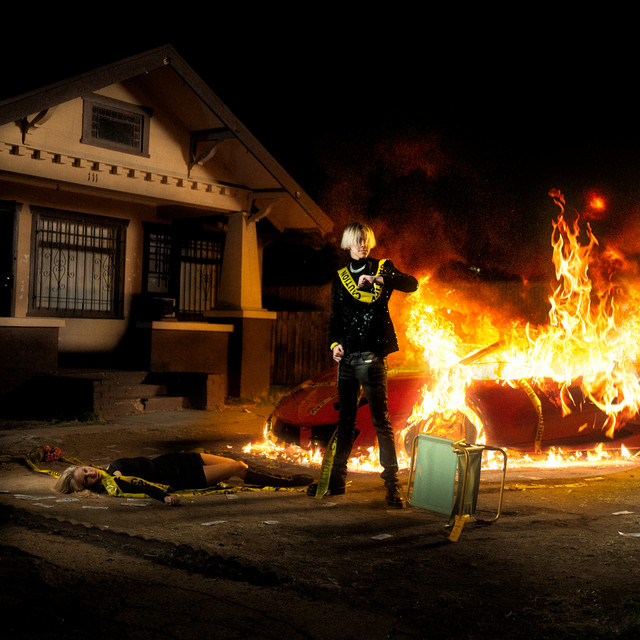
Contextual Flames: A Historical Echo
Chri$tian Gate$’s second studio album, ARSON, released in 2023, ignites a conversation about the role of humor in songwriting. With its biting wit and sharp lyrics, the album reflects on personal traumas while cleverly weaving in historical references, notably the infamous acts of arson throughout history.
Take the burning of the Temple of Artemis at Ephesus by Herostratus in 356 BC, an act driven by a desperate need for fame. Gate$ channels this contradiction of destruction and desire for recognition in his lyrics, crafting a narrative that is as much about self-destruction as it is about rebirth.
Wit as a Weapon
In ARSON, humor isn’t just a diversion; it’s a coping mechanism. Gate$ balances his emotional turmoil with a tongue-in-cheek approach that disarms the listener. The line “I joke about my pain like it’s just a punchline” reflects this duality, offering a glimpse into how he navigates despair with sarcasm.
"I joke about my pain like it’s just a punchline"
This self-aware humor serves a dual purpose: it invites listeners to empathize with his struggle while also allowing them to laugh at the absurdity of life’s harsh realities. It’s a delicate dance that few artists pull off as effectively as Gate$.
Historical Parallels
Gate$’s references to historical arsons extend beyond mere cleverness; they serve as a backdrop for his personal narrative. The burning of the Second Temple in Jerusalem by the Romans in 70 AD is another poignant moment that resonates throughout the album. Just as those ancient structures represented cultural identity and faith, Gate$’s lyrics explore the fragility of his own identity amidst chaos.
His ability to draw parallels between these monumental events and his struggles with mental health creates a rich layer of meaning. The flames of history merge with the flames of his own life, leading to a profound commentary on the cyclical nature of destruction and rebirth.
Humor as Healing
One standout track, “Burnt Offerings,” exemplifies the fusion of humor and heartache. The lyrics playfully dissect the fallout of a failed relationship, using witty metaphors that make the pain feel almost palatable. “I lit the match, but you brought the fire,” he quips, highlighting how both parties contributed to the emotional devastation.
"I lit the match, but you brought the fire"
This line encapsulates the essence of his songwriting: acknowledging fault while maintaining a sense of levity. It’s a reminder that while love can burn us, we can still find humor in the ashes.
Cultural Commentary
The humor in ARSON also reflects a broader cultural commentary on how society addresses trauma. Gate$ engages with the idea that laughter can coexist with grief, challenging the stigma around mental health. In a world where vulnerability is often met with judgment, his approach is refreshing and necessary.
He embraces the absurdity of life, and in doing so, he creates a space for listeners to confront their own pain without shame. This is particularly important in an era where artists are expected to be either raw and emotional or completely detached.
Conclusion: A New Kind of Fire
Chri$tian Gate$’s ARSON is a testament to the power of humor in music. By skillfully balancing pain and wit, he not only tells his story but also connects with listeners on a deeper level. The album serves as a reminder that laughter can illuminate even the darkest experiences, making the flames of our past a little easier to bear.
Fun Fact: The title of the album, ARSON, is a nod to both the literal and metaphorical fires we ignite in our lives.