Setting the Scene
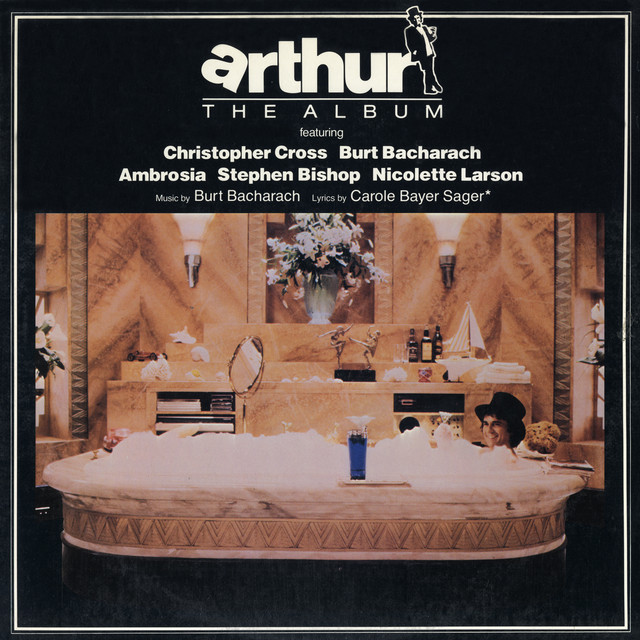
In 1981, Christopher Cross released "Arthur's Theme (Best That You Can Do)", a song that would become synonymous with the film Arthur. Co-written by Burt Bacharach, Carole Bayer Sager, and Peter Allen, the track not only topped the Billboard charts but also encapsulated the essence of a film that danced between comedy and heartfelt drama.
The Film's Arc
Arthur, portrayed by Dudley Moore, is a charming but irresponsible millionaire who finds himself torn between his carefree lifestyle and the love of his life, Linda (Liza Minnelli). As the plot unfolds, Arthur's journey is marked by humorous escapades and poignant moments of self-discovery. The film’s emotional climax arrives as Arthur must choose between his whimsical existence and the serious commitment Linda represents.
Lyrics That Define a Moment
The connection between the film's emotional high point and Cross's lyrics is undeniable. At a crucial juncture, Arthur reflects on what love truly means, captured perfectly in the line:
"When you get caught between the moon and New York City"
This lyric evokes the feeling of being in a state of limbo, perfectly mirroring Arthur's struggle. It captures the tension of his dual existence — the allure of his wealthy lifestyle versus the sincerity of his love for Linda.
Soundtrack as Emotional Catalyst
Musically, the song's arrangement adds layers to the film's narrative. The lush instrumentation, highlighted by soft piano and gentle strings, creates an atmosphere of nostalgia and longing. This is crucial during the film's climax, where Arthur's decision looms large. The song swells, enhancing the weight of Arthur's choice.
Moment of Truth
As Arthur stands at the precipice of his decision, the lyrics echo the film's core message about love and sacrifice. The refrain, "The best that you can do is fall in love," becomes a mantra for Arthur, guiding him toward what truly matters. This moment isn’t just about choosing a partner; it’s about embracing vulnerability and the chaos that love brings.
Impact and Legacy
"Arthur's Theme" won the Academy Award for Best Original Song, cementing its place in cinematic history. Its ability to elevate the film's emotional stakes speaks volumes about the intersection of music and storytelling. Cross’s melodic prowess aligns beautifully with the film’s narrative, making it more than just a backdrop; it is integral to the storytelling.
A Timeless Connection
Decades later, the song still resonates, reminding listeners that love often requires us to step outside our comfort zones. It encapsulates the bittersweet nature of life, a theme that is as relevant today as it was in 1981. In essence, the connection between "Arthur's Theme" and the film's emotional climax is a masterclass in how music can shape and enhance cinematic experiences.
Interesting fact: Christopher Cross's "Arthur's Theme" won the Oscar for Best Original Song in 1982, solidifying its legacy in film music.