Haunting Beginnings: The Birth of a Classic
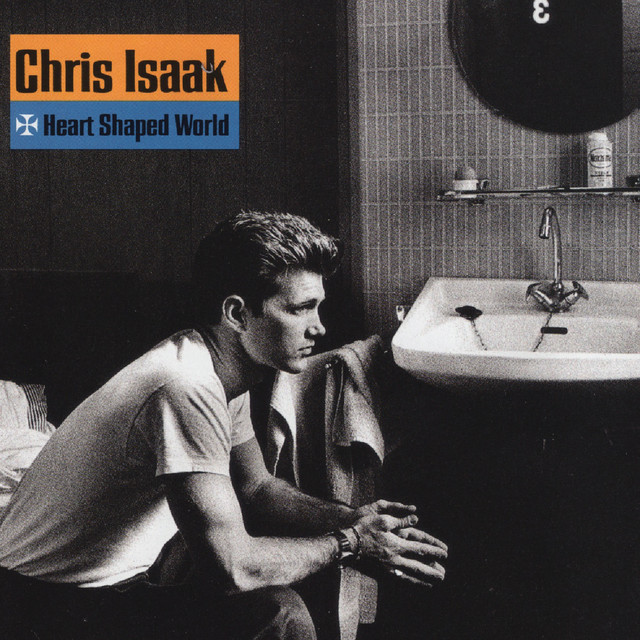
Chris Isaak's "Wicked Game" first emerged on his 1989 album, Heart Shaped World, produced by Erik Jacobsen. The song's ethereal sound and Isaak's falsetto vocals created a sonic landscape that was both haunting and seductive. It wasn’t until the 1990 David Lynch film Wild at Heart that the track caught fire in the mainstream, cementing its place in 90s pop culture.
90s Sensibilities: A Soundtrack for a Generation
The early 90s were a transformative time in music, marked by the rise of grunge, hip-hop, and alternative rock. Yet, "Wicked Game" stood out for its melancholic beauty. The song became synonymous with themes of love and heartbreak, perfectly encapsulated in the line:
"What a wicked game you play to make me feel this way."
This lyric, with its raw emotionality, resonated with a generation grappling with the complexities of relationships. Isaak's blend of rockabilly and pop created an atmosphere that was both nostalgic and fresh, a rare combination that appealed to both young and older listeners.
Visual Impact: A Music Video That Defined an Era
The iconic music video for "Wicked Game," directed by Herb Ritts, played a crucial role in its success. The video featured a sultry, black-and-white aesthetic, showcasing Isaak and model Helena Christensen in a passionate embrace against a backdrop of crashing waves. This imagery not only amplified the song's themes of desire and longing but also set a standard for music videos in the 90s.
Christensen's haunting beauty and the video’s cinematic quality helped solidify Isaak's status as a heartthrob. It became a staple on MTV, where the visuals complemented the song's emotional depth, making it an unforgettable experience for viewers.
A Revival in Modern Media
Fast forward to the 21st century, and "Wicked Game" has experienced a renaissance. Its haunting melody has been featured in various films, television shows, and commercials, introducing the song to a new generation. Notable appearances include the 2012 season of Game of Thrones, where its eerie tones underscored a pivotal scene, and the 2020 series Normal People, where it punctuated moments of intimacy and longing.
This revival is no accident; the emotional weight of Isaak's lyrics continues to resonate. The line:
"And I don't want to fall in love."
captures the essence of vulnerability, a theme that remains universal across time. Modern audiences connect with the song in ways that reflect contemporary struggles with love and loss, proving that its allure transcends generations.
Cultural Impact and Legacy
The continued relevance of "Wicked Game" is a testament to its powerful songwriting and Isaak's unique artistry. It has inspired countless covers and interpretations, from indie artists to mainstream stars. Each rendition adds a new layer to its legacy, showing the song's versatility and emotional depth.
Moreover, the song has become a cultural touchstone, often referenced in discussions about the best love songs of all time. Its ability to evoke intense feelings while maintaining an air of mystery sets it apart from many contemporary tracks, making it a timeless classic.
Interesting fact: "Wicked Game" became an international hit after its inclusion in the 1990 film Wild at Heart, where it was integral to the film's emotional impact.
The Allure Remains
As we move further into the 2020s, Chris Isaak's "Wicked Game" remains a haunting echo of love and longing that continues to captivate listeners. Its ability to weave through the fabric of pop culture, from its 90s inception to its modern revival, speaks to the song's unparalleled emotional resonance.
In an era where music often prioritizes catchy hooks over substance, "Wicked Game" serves as a reminder of the power of lyricism and mood in storytelling. It is a song that, much like love itself, can be wicked and beautiful all at once.