Urban Art Meets Regional Mexican Music
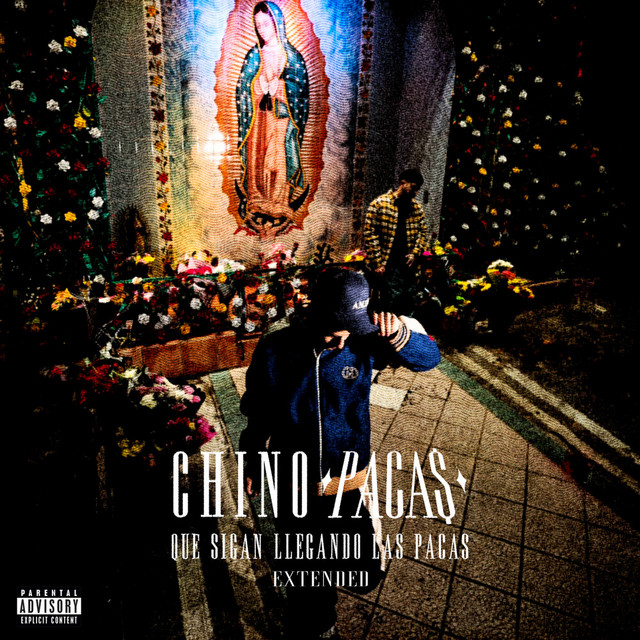
Chino Pacas's track "Morena Canela" from his debut album Que Sigan Llegando las Pacas is a compelling case study in how urban art influences the visuals of contemporary regional Mexican music. Released in 2023, this song is not just an auditory experience; it's a vibrant convergence of sound and imagery that reflects the gritty yet colorful essence of urban life.
The visuals accompanying "Morena Canela" are steeped in the aesthetics of street art—a medium that thrives on spontaneity and self-expression. This is particularly interesting in a genre often dominated by traditional motifs and imagery. The artwork, reminiscent of graffiti murals found in busy cityscapes, serves to bridge the gap between the streets and the stage.
The Visuals: A Canvas of Cultural Commentary
In the music video for "Morena Canela," we see a range of urban art styles, from bold lettering to intricate murals that speak to the experiences of marginalized communities. This is a conscious choice by Chino Pacas and his team, showcasing a strong visual narrative that complements the song's themes of love and longing. The vibrant colors and dynamic compositions echo the passionate lyrics that celebrate a woman who, despite her struggles, embodies beauty and resilience.
"Tus ojos son fuego y los míos son hielo"
This lyric, which translates to "Your eyes are fire and mine are ice," captures the emotional intensity of the song, a sentiment that is visually mirrored in the high-energy art that surrounds it. The contrasting imagery not only enhances the lyrical content but also invites viewers to consider the deeper societal issues at play.
Chino Pacas's collaboration with visual artists has redefined how regional Mexican music can engage with urban culture, making it relevant to a younger audience.
Challenging Norms Through Aesthetic Choices
By integrating urban art into his visuals, Pacas challenges the traditional norms of the genre. Regional Mexican music has historically relied on pastoral scenes and romanticized depictions of rural life; Pacas flips this script. In doing so, he creates a space for dialogue about identity and belonging in a rapidly urbanizing world.
Moreover, the choice of urban art as a visual medium speaks to a broader trend within the music industry where artists are increasingly looking to the streets for inspiration. It's a nod to the authenticity of street culture, which resonates with audiences who find themselves navigating similar complexities in their own lives.
Impact on the Audience
The impact of these visuals extends beyond mere aesthetics. They serve as a cultural commentary, making the themes of "Morena Canela" accessible to a wider audience. Fans are drawn not just to the catchy melodies but also to the rich tapestry of visual storytelling that accompanies the music.
As Chino Pacas continues to evolve as an artist, the influence of urban art will likely remain a cornerstone of his visual identity. It reflects a generation that is increasingly proud of its roots while simultaneously embracing the complexities of modern life.
A New Era for Regional Mexican Music
The fusion of urban art and regional Mexican music signifies a new era for the genre. Artists like Chino Pacas are pushing boundaries, using their platforms to elevate voices that have often been overlooked. This is not just about music; it’s about creating a cultural movement that celebrates diversity and authenticity.
As we listen to "Morena Canela," we’re reminded that the streets are alive with stories waiting to be told—stories that resonate across cultures and generations. The vibrant visuals paired with Pacas's heartfelt lyrics invite us to see the beauty in the struggle and the art that emerges from it.