The Power of Movement
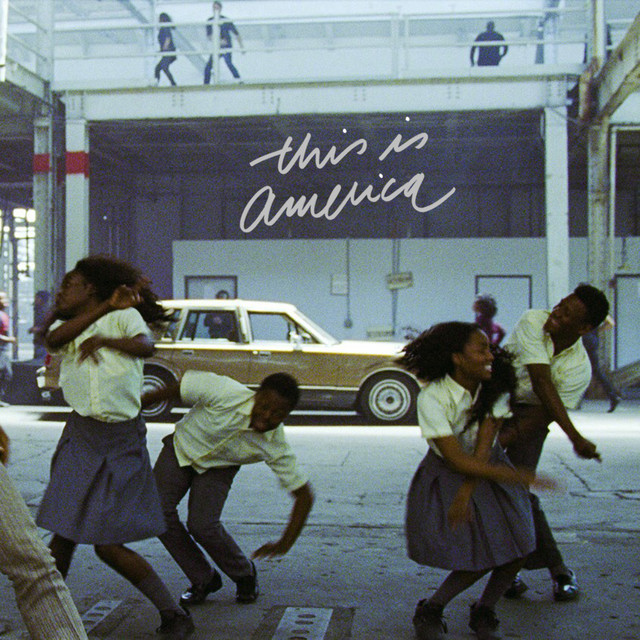
Childish Gambino’s "This Is America" is a seismic cultural statement, but it’s the choreography that amplifies its message to an electrifying degree. Directed by Hiro Murai, the visuals are not just a backdrop to Gambino's haunting lyrics; they are a visceral commentary on gun violence, systemic racism, and the commodification of Black culture in America.
Historical Echoes in Dance
The choreography, performed by Gambino alongside a troupe of dancers, draws from a variety of historical influences. The most striking moments incorporate movements reminiscent of traditional African dances, which celebrate community and heritage, yet juxtaposed against the backdrop of chaos and violence. This contrast reflects a broader narrative of Black history in America—one that is often marked by both cultural richness and brutal oppression.
"This is America, don't catch you slippin' now."
The line serves as a chilling reminder of the constant vigilance required to navigate a society rife with danger, a theme echoed in the frantic energy of the choreography. Gambino's movements are sharp and erratic, almost mimicking the unpredictability of violence itself.
Modern Dance Meets Historical Roots
References to the historic Jim Crow era are also embedded in the choreography. The dancers' use of exaggerated, almost caricature-like movements can evoke minstrel shows—an art form that both entertained and dehumanized Black individuals in the early 20th century. Gambino’s performance challenges this legacy by reclaiming the narrative through a lens of empowerment.
The music video won four Grammy Awards in 2019, including Record of the Year and Song of the Year.
Choreography as Protest
The choreography is not merely decorative; it is a form of protest. The moment when Gambino shoots a choir, echoing the tragic events in Charleston, is hauntingly choreographed to shift from celebratory dance to violent chaos. The dancers freeze in horror, starkly contrasting their earlier jubilance. This shift from joy to horror encapsulates the duality of Black existence in America, where celebration is often interrupted by violence.
The Role of the Body in Storytelling
In a world increasingly dominated by social media, where every move can be captured and shared, Gambino’s choreography reminds us of the body as a storytelling apparatus. The dancers not only express joy and pain but also serve as a collective body that confronts the viewer. Each movement is a visual indictment of America’s history and current reality.
"You know that I’m a little bit crazy."
Here, Gambino acknowledges the madness of the world he inhabits, a world where the line between performance and reality is blurred. This sentiment is echoed in the frenetic pacing of the choreography, which oscillates between moments of calm and explosive chaos.
Conclusion: The Legacy of 'This Is America'
Ultimately, the choreography in "This Is America" serves as a powerful lens through which to examine the complex relationships between race, violence, and art in America. By drawing on historical inspirations and infusing them with modern elements, Gambino and his team have created a piece that is both a celebration of Black culture and a stark reminder of the challenges it faces.
Childish Gambino has set a new benchmark for how music videos can operate as political statements, and the choreography in this piece is a vital thread in the fabric of that message.