The Drill Scene's Raw Energy
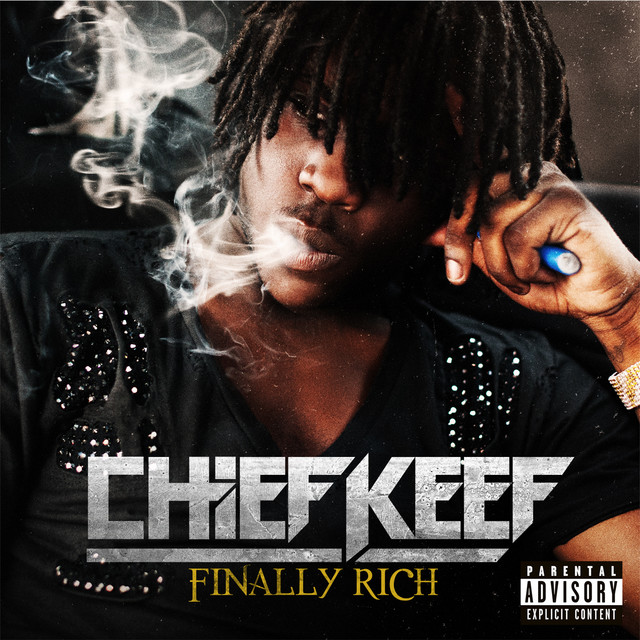
Released in 2012 as part of Chief Keef's debut studio album, Finally Rich, “Hate Bein’ Sober” stands out not just as a party anthem but as a testament to the raw energy of Chicago's drill scene. The song features contributions from heavyweights 50 Cent and Wiz Khalifa, bridging the gap between the underground and mainstream while keeping the gritty essence intact.
A Reflection of Urban Struggles
Drill music often reflects the harsh realities of life in Chicago, where violence is rampant, and the struggle for survival is palpable. Chief Keef's lyrics in “Hate Bein’ Sober” mirror this ethos, as he repeatedly expresses a desire to escape through substances. The line,
encapsulates a feeling of discontent that runs deep in the drill narrative."I hate bein’ sober,"
Collaborative Chemistry
The addition of 50 Cent and Wiz Khalifa elevates the track, providing contrasting perspectives on indulgence and escapism. 50 Cent's seasoned voice complements Keef's youthful angst, while Khalifa’s laid-back delivery adds a layer of nonchalance. This collaboration highlights how the drill scene's influence has pervaded mainstream hip-hop, creating a fusion that feels both raw and polished.
Production Techniques
Produced by the talented Young Chop, the beat of “Hate Bein’ Sober” is characterized by its minimalist approach, a staple in drill music. The heavy bass and sharp hi-hats create an atmosphere that feels both claustrophobic and exhilarating. This production style reinforces the feeling of desperation that permeates the lyrics, making listeners feel the weight of those words.
Cultural Impact and Legacy
“Hate Bein’ Sober” is more than just a song; it is a cultural artifact that captures the zeitgeist of a generation grappling with mental health issues and substance use. It’s a reflection of the struggles faced by youth in urban environments, a theme that has only grown more relevant over time. The track has influenced countless artists who have followed in Keef's footsteps, solidifying his role as a pioneer of the drill movement.
The Dichotomy of Celebration and Despair
While the chorus invites listeners to revel in the high of substance use, there’s an underlying current of sorrow and inevitability. The contradiction is striking: celebration tinged with despair. This duality is what makes “Hate Bein’ Sober” so impactful, serving as both a party anthem and a cautionary tale.
Conclusion: A Lasting Influence
As we look back on the legacy of “Hate Bein’ Sober,” it's clear that the influence of Chicago's drill scene extends far beyond its city limits. Chief Keef, through this track, not only crafted an anthem for those who feel trapped by their circumstances but also paved the way for a new wave of artists to express their truths in a similar raw and unfiltered manner.