Dancehall's Roots in 'Ghetto Story Chapter 3'
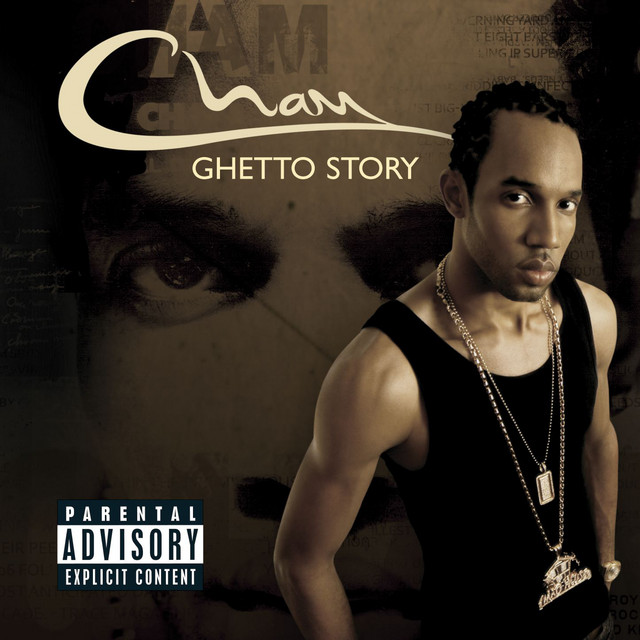
Cham's "Ghetto Story Chapter 3," featuring Akon, is not just another collaboration in the reggae genre; it serves as a testament to the potent influences of Jamaican dancehall on contemporary music. Released in 2006 on the album "Ghetto Story," this track blends Cham's rhythmic delivery with Akon's soulful vocals, creating a unique sound that reverberates through both cultures.
Akon's Journey and Dancehall's Impact
Akon’s rise to fame is a story of resilience, shaped by his experiences in New Jersey and a three-year prison sentence that pushed him into music. His background in hip-hop and R&B complements the dancehall beats present in Cham's work. This synergy elevates the narrative within "Ghetto Story Chapter 3," where themes of survival and struggle are universal yet distinctly Caribbean.
"I will never let them take my pride"
This line captures the essence of both artists' journeys. Cham's delivery is heavily influenced by the rhythmic patterns of dancehall, which often emphasize personal stories of hardship and triumph. His ability to convey complex emotions in a straightforward way is a hallmark of the genre.
Fusion of Cultures
The blend of Akon's smooth R&B style with Cham's dancehall roots creates a musical dialect that speaks to a wider audience. The production, while rooted in dancehall, borrows elements from hip-hop and pop, showcasing how genres can intermingle. Akon’s contribution also signifies how artists can transcend their backgrounds, finding common ground in shared experiences.
Lyricism and Storytelling
In "Ghetto Story Chapter 3," Cham's storytelling prowess shines through. He paints a vivid picture of life in the ghetto, a narrative style that resonates with the dancehall tradition. The lyrics serve not only as a reflection of his personal experiences but also as a voice for the voiceless in society.
"Every ghetto, every corner, every street"
This particular line emphasizes the universality of struggle, making it clear that while the backdrop may differ, the emotions are the same. Cham’s use of local vernacular adds authenticity, grounding the track in its Jamaican roots while still appealing to a broader audience.
Legacy of Dancehall
Dancehall has always been more than just music; it’s a cultural expression. Cham’s work, particularly in "Ghetto Story Chapter 3," highlights this legacy. The genre's influence extends beyond its borders, impacting artists across the globe, including Akon, who infuses his sound with the same spirit of resilience found in Jamaican dancehall.
Did you know? Cham's "Ghetto Story" album was one of the first to gain international acclaim for dancehall music, helping to pave the way for future artists.
The fusion of styles in this track epitomizes how music can act as a bridge between cultures. Akon's collaboration with Cham not only showcases their individual talents but also represents a larger conversation about identity and community.
Conclusion: A Cultural Dialogue
Ultimately, "Ghetto Story Chapter 3" is more than a song; it’s a dialogue between cultures. Cham and Akon demonstrate how music can transcend boundaries, inviting listeners to reflect on their own stories of struggle and resilience. The unspoken influence of Jamaican dancehall in this track is a reminder of music's power to connect us all.