The Sound of Struggle
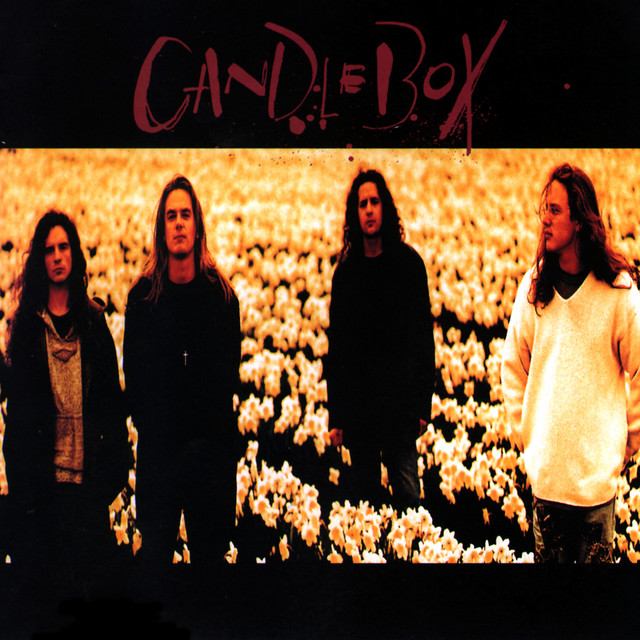
When Candlebox released their self-titled debut album in 1993, the Seattle grunge scene was already grappling with the heavy toll of addiction. The band’s third single, "Far Behind," emerged as a haunting reflection of loss and longing, quickly solidifying its place as an anthem for those facing the daunting realities of addiction.
Musically, the track blends alternative rock with a raw emotional edge, featuring the powerful vocals of frontman Kevin Martin. The song's brooding guitar riffs and steady drumming create a soundscape that mirrors the turbulent emotions associated with addiction.
A Personal Connection
"Far Behind" was inspired by the death of a close friend, a tragedy that Martin experienced firsthand. This personal connection imbues the song with a sincerity that resonates with anyone who has dealt with the pain of losing someone to substance abuse. The lyrics poignantly capture that feeling of helplessness and sorrow, as Martin laments,
."And I don't want to see you again"
This line, simple yet potent, encapsulates the deep pain of addiction and the aftermath it leaves in its wake. It’s a sentiment echoed by many who have watched loved ones spiral into addiction, feeling both helpless and heartbroken.
Universal Themes
At its core, "Far Behind" speaks to the universal themes of loss, longing, and the struggle to move on. The haunting chorus, where Martin sings,
, captures the isolation that often accompanies addiction. It’s a cry for connection, a plea that resonates with anyone who has felt abandoned by someone ensnared by their vices."I don't want to be alone"
These themes have made the song a staple in recovery circles. For many, the lyrics serve as a reminder of the importance of support and understanding when battling addiction. It emphasizes that the journey is rarely solitary; rather, it’s a shared experience that requires community and compassion.
Impact on Recovery
Since its release, "Far Behind" has been embraced by those in recovery as a source of comfort and solidarity. The song's heartfelt expression of pain and yearning allows listeners to feel seen and understood. It’s more than just a song; it’s an emotional release for anyone grappling with the loss of a loved one to addiction or even their struggles with substance abuse.
The song peaked at number 18 on the Billboard Hot 100 and remains one of Candlebox's most recognized tracks, symbolizing the struggles of a generation.
A Lasting Legacy
As Candlebox continues to perform "Far Behind" at concerts, the song's relevance has not waned. It serves as a reminder that the fight against addiction is ongoing and that music can play a vital role in healing. In a world where so many feel isolated in their struggles, this track offers a sense of community, urging listeners to share their burdens rather than carry them alone.
“Far Behind” is not just a reflection of personal loss; it’s an anthem of resilience and hope. It reminds us that even in the darkest moments, the possibility of connection and recovery exists. Candlebox may have penned the song over three decades ago, but its message continues to resonate, proving that some songs transcend time and become part of the fabric of our lives.