Folklore Meets Modernity
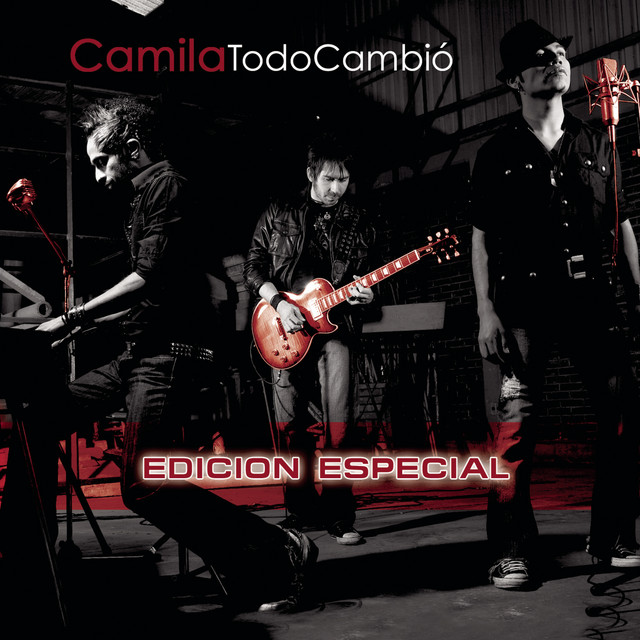
Camila's debut album, 'Todo Cambió' (2006), marked a transformative moment in the Latin pop scene. The Mexican pop rock band, led by Veracruz native Samo, crafted a sound that not only appealed to contemporary audiences but also paid homage to traditional Mexican music.
The album's title track, 'Todo Cambió,' is emblematic of this blend. It features melodies and rhythms that echo the rich musical heritage of Mexico, intertwining contemporary pop sensibilities with folkloric elements. This is not merely a nostalgic nod; it’s a deliberate fusion that invites listeners to explore their cultural roots while enjoying a modern sound.
Instrumentation and Influence
From the outset, the instrumentation in 'Todo Cambió' showcases a marriage of traditional and modern. The use of acoustic guitars, often found in regional Mexican music, alongside polished pop production, creates an inviting soundscape. The emotional weight behind the lyrics, such as in the line:
"Todo cambió cuando te vi, todo cambió cuando te amé"
captures a universal experience of love and transformation that resonates across cultures, yet is steeped in a distinctly Mexican context.
Thematic Depth
What stands out in 'Todo Cambió' is the thematic exploration of change and connection. This theme is deeply rooted in Mexican folklore, where stories often revolve around love, loss, and rebirth. Camila’s lyrics tap into this tradition, offering listeners a narrative that feels both personal and culturally significant.
The track 'Abrázame' further exemplifies this connection. Its yearning lyrics and heartfelt delivery evoke the emotional depth found in traditional Mexican ballads. In a genre often criticized for superficiality, Camila manages to craft songs that are thoughtful and rich, reflecting the complexities of human emotion.
Impact on Latin Pop
The success of 'Todo Cambió' was not just a personal triumph for Camila; it signaled a shift in Latin pop. The album paved the way for artists to embrace their cultural heritage while innovating within the genre. By integrating folkloric elements into mainstream pop, Camila set a precedent for future artists to explore their roots.
Camila's 'Todo Cambió' sold over 500,000 copies in its first year, establishing the band as a force in Latin music.
Legacy and Modern Echoes
Years later, the echoes of 'Todo Cambió' can still be felt in contemporary Latin pop. Artists are increasingly looking to their cultural heritage for inspiration, blending traditional sounds with modern production techniques. This trend is not only a celebration of identity but also a testament to the enduring influence of albums like 'Todo Cambió.'
In an era where global sounds are more accessible than ever, Camila's approach serves as a reminder that honoring one's cultural roots can lead to innovation. The fusion of the old and the new is not merely a stylistic choice; it is a powerful statement about identity and belonging.
Conclusion: A Cultural Touchstone
'Todo Cambió' remains a cultural touchstone, illustrating the rich interplay between Mexican folklore and modern pop. By embracing their heritage, Camila crafted an album that not only changed their lives but also influenced the trajectory of Latin music. The storytelling at the heart of their work continues to inspire artists today, proving that when music is rooted in culture, it can transcend borders and speak to universal truths.