Redefining Street Culture
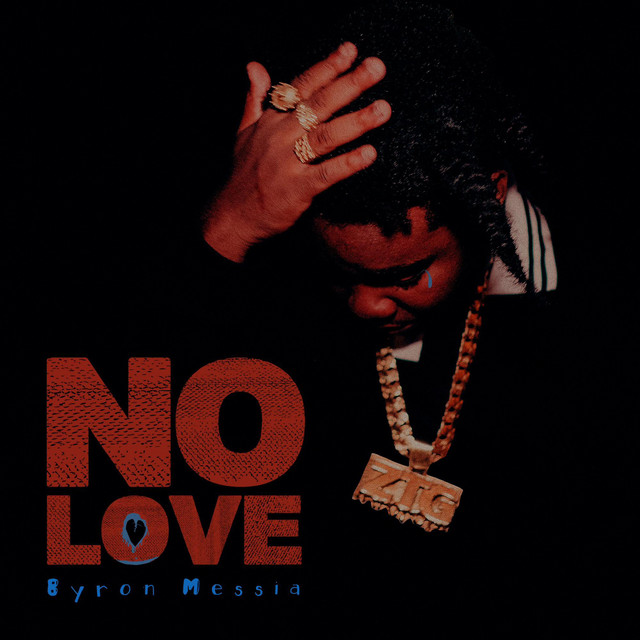
Byron Messia's "Talibans," released on January 20, 2023, as part of his debut studio album No Love, has emerged as a significant cultural marker in contemporary music. The song's title alone evokes complex associations with power, resistance, and identity, reflecting how street culture is often portrayed in the media and music.
In many ways, Messia's work is a response to the prevailing narratives surrounding street life. In a world increasingly obsessed with authenticity, "Talibans" confronts listeners with the raw realities of survival and resilience. The artist's choice to reference a term laden with political and cultural weight invites both intrigue and scrutiny.
Contextualizing the Narrative
The track's production, rooted in dancehall rhythms, provides an accessible yet gritty backdrop that resonates with both fans of the genre and those outside it. With the line,
, Messia encapsulates the mindset of many navigating their way through challenging environments. This sentiment reflects a universal struggle, one that transcends geographic and cultural boundaries."Money on my mind, I’m a soldier, no fear"
Messia's signing with Interscope Records shortly after the song's release signifies a pivotal moment in his career, bringing mainstream attention to his distinct blend of Jamaican roots and contemporary influences. This crossover appeal is vital for street culture, as it challenges the often monolithic perceptions of what it means to be an artist from a marginalized background.
The Remix and Its Implications
The subsequent release of the remix, "Talibans II," on July 20, 2023, further amplifies the song's reach. Featuring fresh perspectives and updated production, this version underscores the fluid nature of street culture itself—always evolving, always adapting. The remix not only revitalizes the original's themes but also enhances its relevance in a rapidly changing musical landscape.
The term 'Taliban' has historically been associated with conflict and resistance, making its use in a song about street culture particularly provocative.
Challenging Stereotypes
Byron Messia's lyrics challenge the often simplistic narratives surrounding street life. Instead of glorifying violence or crime, he presents a nuanced view that highlights the struggles and aspirations of those living in these environments. Lines like
suggest not just survival but also a sense of ownership and agency, which is often overlooked in mainstream portrayals."In the streets, we fight for what’s ours"
This approach pushes back against the stereotypes frequently perpetuated in music and popular culture, offering a more complex understanding of what it means to rise from the streets. Messia's authenticity shines through, revealing a deeper emotional core that many listeners can connect with.
The Broader Cultural Impact
The impact of "Talibans" extends beyond music; it influences how street culture is perceived in broader society. As artists like Messia gain visibility, they encourage conversations about the socio-political realities faced by many communities. This song serves as a platform for dialogue, prompting listeners to reconsider preconceived notions about street life.
Moreover, Messia's rise in the music industry illustrates the shifting dynamics within genres traditionally marginalized. With influential figures recognizing the importance of authentic representation, there's a growing acknowledgment that street culture deserves a voice in mainstream narratives.
A New Era for Street Culture
In the end, Byron Messia's "Talibans" is more than just a catchy track; it’s a cultural commentary that challenges, engages, and ultimately reshapes the perception of street culture in music. As the genre continues to evolve, artists like Messia are essential in ensuring that the complexities of their narratives are heard and understood.