Redefining Rhythms
Buju Banton's latest track, "Champion," serves as a thrilling testament to the evolving soundscape of contemporary Caribbean music. The song showcases a unique blend of dancehall and Afrobeat, creating a rhythm that is both infectious and layered. This intersection highlights how genres can transcend cultural boundaries, resonating with audiences far beyond their origins.
Dancehall's Roots
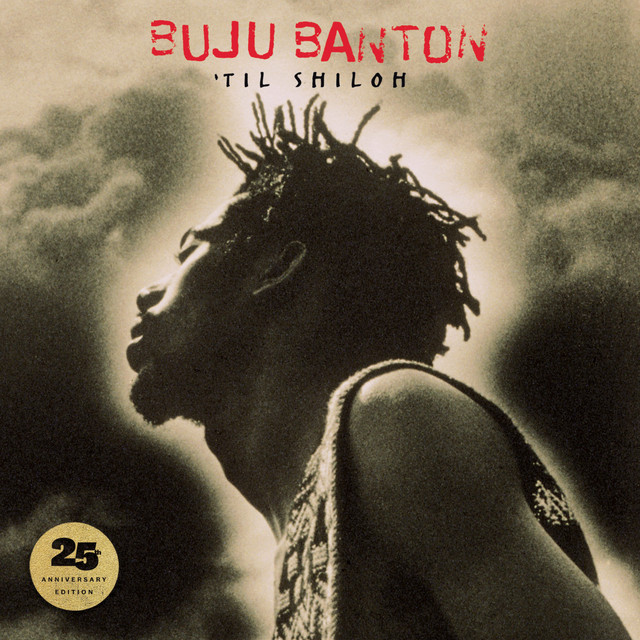
Dancehall, a genre that emerged in the late 1970s Jamaica, has always been characterized by its upbeat tempos and vibrant lyrical delivery. Buju Banton, a titan in the dancehall scene, has consistently pushed the envelope since his debut. His fourth album, 'Til Shiloh, released in 1995, marked a pivotal moment in his career, melding personal storytelling with the energetic beats typical of the genre.
Afrobeat's Influence
On the other hand, Afrobeat, pioneered by Fela Kuti in the 1960s, is defined by its complex rhythms and socially conscious lyrics. Artists from the African continent have increasingly influenced global music trends, with Afrobeat's infectious grooves making waves in the dance halls of Jamaica and beyond. In "Champion," Banton seamlessly incorporates these influences, crafting a sound that feels both fresh and familiar.
Production Elements
The production of "Champion" is where this fusion truly shines. The track employs the characteristic percussive elements of Afrobeat, layered over the traditional dancehall bass lines. The result is a sound that feels dynamic and celebratory, urging listeners to move and engage. It's a conscious decision that reflects Banton's understanding of both genres' histories and their potential for collaboration.
Lyricism and Themes
In terms of lyrics, Banton remains true to his roots while embracing the universal themes of resilience and triumph. The chorus, with its uplifting message, feels like a call to arms, echoing sentiments found in both dancehall and Afrobeat. The line
encapsulates the spirit of overcoming adversity, a theme that resonates deeply with fans from both genres."I’m a champion, I’m a warrior"
Cultural Context
Buju Banton’s return to the music scene is emblematic of a broader trend, as Caribbean music increasingly incorporates global sounds. The collaboration with Afrobeat rhythms signals a shift in how artists view genre classifications. It’s not about fitting into a single box anymore; it’s about exploring the rich intersections of culture and sound.
Live Performance Impact
The live performance of "Champion" further underscores its cross-cultural appeal. Audiences respond to the infectious beat, often dancing as if they are part of a larger celebration. Banton's ability to engage with diverse crowds reflects the unifying power of music, transcending borders and bringing people together through shared experiences.
Conclusion: A New Era
As we analyze the layers within "Champion," it becomes clear that Buju Banton is not just a product of his environment but a visionary who is shaping the future of Caribbean music. By blending dancehall and Afrobeat, he is crafting a new narrative, one that speaks to the resilience of the human spirit and the power of collaboration in the arts. This song is more than just a hit; it's a cultural statement.
Did you know? Buju Banton has released 12 studio albums throughout his career, with each showcasing his evolution as an artist.