Unraveling the Heart of a Classic
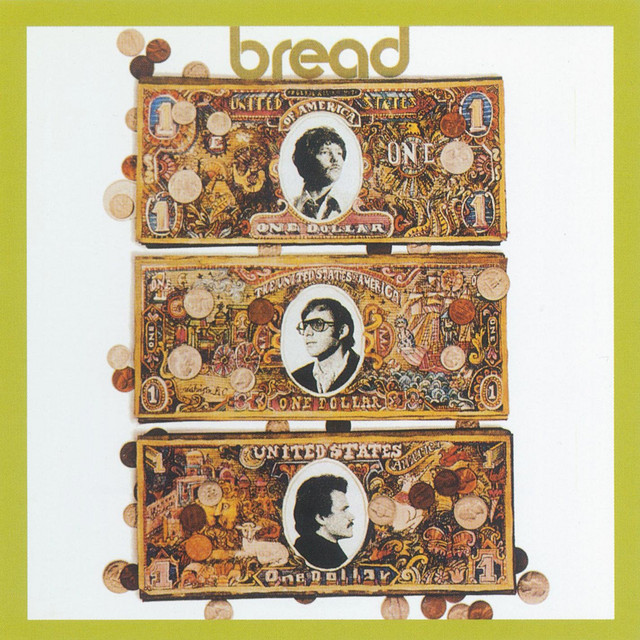
Released in 1970 on Bread's self-titled album, "It Don't Matter to Me" is not just another soft rock staple; it’s a reflection of the personal turmoil that defined David Gates and the band during that period. As the lead songwriter and vocalist, Gates infused his experiences and feelings into the song, making it resonate on a deeper level.
The Weight of Relationships
The lyric, "I can see that you’re not happy, but it’s alright with me," captures a sense of resignation that speaks volumes. This is not merely a narrative about love; it’s a commentary on the complexities of relationships, particularly the ones that are fraught with unfulfilled expectations. Gates, who had his own struggles with relationships, tapped into a universal sentiment of acceptance amidst pain.
"I can see that you’re not happy, but it’s alright with me."
Personal Struggles and Artistic Expression
Gates was grappling with the pressures of fame and the disintegration of personal relationships during this time. The band’s success was skyrocketing, yet behind the scenes, tensions were brewing. The interplay of success and personal despair is palpable in the lyrics, echoing a feeling of isolation despite being in the spotlight.
A Reflection of the Times
The early '70s were a transformative era for music, with artists like Bread blending rock and pop sensibilities. "It Don’t Matter to Me" serves as a microcosm of this shift, embracing emotional vulnerability at a time when machismo was still prevalent in rock music. The honesty in Gates' songwriting was a breath of fresh air, inviting listeners to confront their own emotional landscapes.
Did you know? "It Don't Matter to Me" was originally recorded for their debut album, but it gained renewed popularity when it was re-released as a single in 1970, solidifying Bread's status in the music scene.
The Sound of Surrender
Musically, the track features a soft, melodic arrangement typical of Bread's sound. The gentle instrumentation belies the emotional weight of the lyrics, creating a contrast that enhances the song's impact. The production, handled by Gates himself, allows the listener to focus on the message, reinforcing the notion that sometimes, acceptance is all that’s left.
Legacy of Acceptance
Ultimately, "It Don't Matter to Me" stands as a testament to the power of personal struggle in music. It showcases how vulnerability can lead to something beautiful, a theme that resonates well beyond the era in which it was created. As we reflect on the song today, it’s clear that Gates’ experiences have forged a connection that continues to speak to listeners grappling with their own relationships.
Conclusion: The Heart of Bread
In a world increasingly obsessed with surface-level perfection, Gates’ heartfelt admission that sometimes love falters—and that's okay—provides a refreshing perspective. "It Don't Matter to Me" is not just a song; it’s a reminder that music can articulate the most complex human emotions, making it an enduring piece of art in the pop-rock canon.