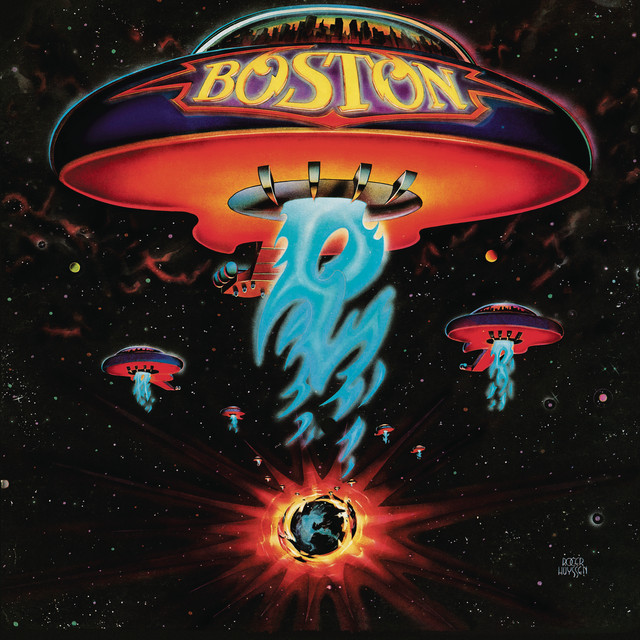
The Groundbreaking Debut
Boston's self-titled debut album, released in 1976, was a phenomenon. With massive hits like "More Than a Feeling" and "Peace of Mind," it catapulted the band into the rock stratosphere. Yet, amidst these radio staples lies the ambitious suite "Foreplay / Long Time," which reveals a deeper connection to the progressive rock movement of the time.
More than Just a Rock Song
At first glance, "Foreplay / Long Time" might seem like just another classic rock track, but it's a masterclass in structure and composition. The song opens with a lush instrumental prelude in "Foreplay" that showcases Tom Scholz’s innovative use of guitar layering and synthesisers. This intricate arrangement is reminiscent of the technical prowess found in the works of bands like Yes and Genesis, who were pushing the boundaries of rock music.
Instrumentation and Ambition
Scholz’s background in engineering shines through in the production quality of the album. The seamless transition from the ethereal "Foreplay" into the hard-hitting "Long Time" mirrors the ambitious spirit of progressive rock, which often sought to elevate rock music to a more symphonic level. The way the song builds from a gentle, almost orchestral introduction into a powerful anthem is a hallmark of progressive rock's influence.
"It's been such a long time, I think I should be goin'"
The lyrics in "Long Time" reveal a sense of nostalgia and longing, themes that are prevalent in many progressive rock songs. The reflective nature of the lyrics paired with the complex musical arrangements creates a multifaceted listening experience. This duality captures the ethos of the progressive movement, where music was not just a form of entertainment but an emotional journey.
Blending Genres
Boston’s sound is often classified as arena rock, but the influence of progressive rock is undeniable. The band skillfully blends melodic hooks with sophisticated musical ideas, a trait that sets them apart from their contemporaries. In an era dominated by straightforward rock and roll, Scholz chose to infuse his songs with intricate time signatures and layered textures, much like the progressive rock giants of the time.
Did you know? Tom Scholz recorded much of the album in his home studio, allowing for a unique sound that became a defining characteristic of Boston.
Commercial Success Meets Artistic Integrity
The success of "Foreplay / Long Time" speaks to the commercial viability of progressive rock elements when executed with precision. The album sold over 17 million copies, yet it never sacrificed artistic integrity for mass appeal. The juxtaposition of catchy melodies with elaborate musical structures is a testament to Scholz’s vision. This balance is what allowed Boston to thrive in a musical landscape that was increasingly favoring simplicity.
A Lasting Legacy
Today, "Foreplay / Long Time" remains a staple of classic rock radio, frequently played alongside more straightforward hits. However, its progressive roots are often overlooked. As modern listeners rediscover the complexities of 1970s rock, this song stands out for its ambitious melding of genres. It's a reminder that even in the world of commercial rock, there can be room for innovation and artistry.
Conclusion: The Progressive Heart of Boston
Ultimately, Boston’s "Foreplay / Long Time" is more than just a collection of catchy riffs and memorable choruses. It is a testament to the power of progressive rock's influence on mainstream music. As we revisit this classic, we recognize that behind the polished surface lies a deep connection to the artistic experimentation that defined an era.