The Rise of a Phrase
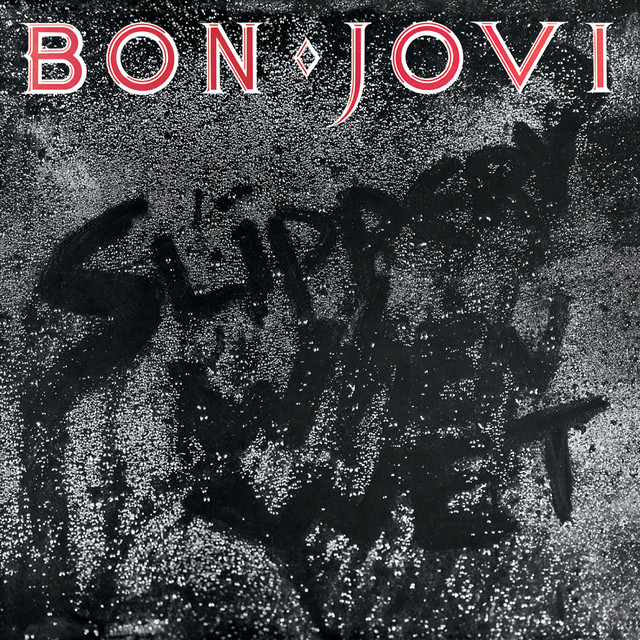
When Bon Jovi unleashed "You Give Love A Bad Name" in 1986, it wasn’t just a rock anthem; it was the beginning of a cultural shift. This track, the lead single from their blockbuster album Slippery When Wet, was more than a catchy tune. It introduced a phrase that would echo through the decades, becoming shorthand for betrayal and disappointment in love.
From Lyrics to Lexicon
The song's hook—"You give love a bad name"—serves as a biting indictment of a toxic relationship. It's a line that expresses not just personal hurt but a universal sentiment that many have felt. The very simplicity of it makes it strikingly effective. In a world that often feels filled with disillusionment, this phrase resonates deeply, providing a succinct way to articulate the pain of love gone wrong.
"You give love a bad name"
Initially, the song’s popularity surged with the help of its hard rock melody and catchy chorus, but it was this specific line that caught on, morphing into a catchphrase. People began to use it in everyday conversations, often to describe their own romantic misadventures or as a tongue-in-cheek reference in pop culture.
Cultural Impact and Endurance
Fast forward to the 90s and 2000s, and the phrase was everywhere: in sitcoms, memes, and even social media posts. It became a go-to expression for those wanting to convey the idea of a love that has turned sour. The phrase's versatility helped it survive the test of time, becoming a convenient shorthand for disappointment, not just in romantic relationships but in friendships and business dealings as well.
Interesting fact: "You Give Love A Bad Name" was Bon Jovi's first single to reach number one on the Billboard Hot 100, solidifying their place in rock history.
The Legacy of Slippery When Wet
Part of what makes this song and its catchphrase so enduring is the album it comes from. Slippery When Wet was a game-changer for Bon Jovi and for rock music in general. Produced by Bruce Fairbairn, the album blended hard rock with pop sensibilities, allowing it to appeal to a broader audience. Songs like "Livin' on a Prayer" and "Wanted Dead or Alive" also showcased this blend, but it was "You Give Love A Bad Name" that birthed a cultural phenomenon.
Generational Resurgence
In recent years, the phrase has seen a resurgence, particularly among younger generations who may not even know the song. Social media platforms, especially TikTok, have revived it as users apply it to various facets of life, from dating mishaps to political disappointments. This evolution speaks to the timelessness of the emotion it expresses.
Conclusion: A Phrase That Endures
Ultimately, "You Give Love A Bad Name" is more than just a song; it’s a cultural artifact that has evolved alongside society. The phrase embodies feelings of betrayal and disappointment that are as relevant today as they were in the 80s. Bon Jovi may have penned the lyrics, but their impact has turned that simple line into a lasting catchphrase that continues to find new life in contemporary conversations.