The Cowboy Ideal and Rock Stardom
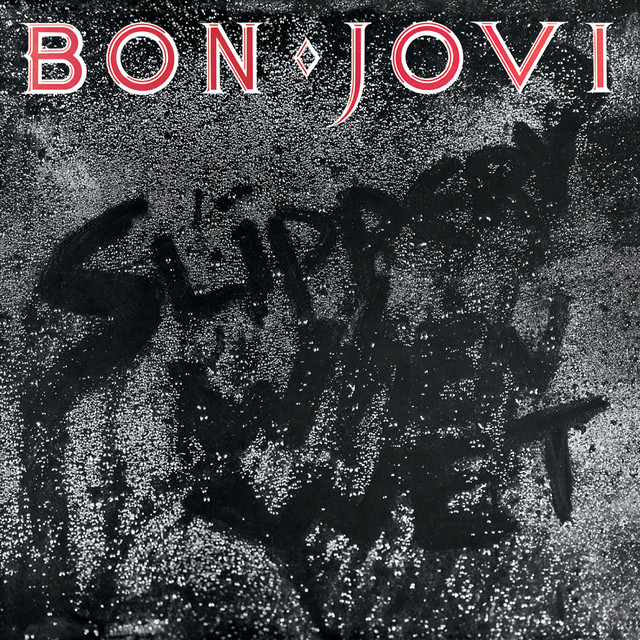
Bon Jovi’s "Wanted Dead or Alive" is more than just a power ballad; it is a raw expression of the tumultuous relationship between fame and self-identity. Released in 1986 on the iconic album Slippery When Wet, the song captures the essence of the rock star lifestyle through vivid cowboy imagery, a metaphor that speaks to the sense of freedom and the burden of constant scrutiny.
Opening with the line,
, Jon Bon Jovi immediately sets the tone for a narrative that is both personal and universal. The song portrays the life of a musician as a Wild West outlaw, constantly on the run and grappling with the dichotomy of public adoration and personal isolation."It's all the same, only the names will change"
Outlaws in a Spotlight
The cowboys of the American West symbolize freedom, rebellion, and a certain rugged individualism, traits that Bon Jovi embodies as he navigates the world of rock music. The chorus, with its catchy proclamation of being “wanted dead or alive,” suggests a paradox: while fame brings recognition and success, it also makes one a target, stripped of their anonymity.
In a sense, Bon Jovi is critiquing the very system that elevates him. The image of a gunslinger resonates with the pressures of being in the limelight, where every move is scrutinized and every misstep magnified. He is both a star and a fugitive, living life on the edge.
Contextualizing the Cowboy Imagery
The inspiration behind the song is rooted in a request from Emilio Estevez for the Young Guns II soundtrack, a film steeped in the mythology of the American West. This connection adds layers to the song's narrative, as Bon Jovi channels not just the outlaw spirit but also the romanticism associated with cinematic cowboys. The imagery serves as a vehicle to explore his own feelings toward fame and success.
Bon Jovi’s lyrics evoke the grit and glamour of a life filled with tours, parties, and the constant chase for the next high. Lines like
illustrate the juxtaposition of the cowboy's rugged independence with the mechanized nature of modern celebrity—a steel horse representing the tour bus that transports him from one arena to another."I’m a cowboy, on a steel horse I ride"
The Burden of Recognition
This duality comes to a head in the verses where Bon Jovi reflects on the loneliness that often accompanies fame. The line,
, emphasizes the idea that being celebrated comes at a cost. The weariness in his voice suggests a longing for simpler times, perhaps when he was just another aspiring musician rather than a household name."And I’m wanted dead or alive"
Bon Jovi’s use of cowboy imagery not only taps into the romanticism of the American frontier but also serves as a critique of the fame machine that turns individuals into icons. The song offers a glimpse behind the curtain, revealing the sacrifices made for success.
Conclusion: A Lasting Legacy
Ultimately, "Wanted Dead or Alive" remains a classic not only for its infectious melody but also for its insightful commentary on the rock star experience. Through the lens of cowboy mythology, Bon Jovi articulates the highs and lows of fame with a sincerity that resonates even today. As the music industry continues to evolve, the themes in this song remain relevant, serving as a reminder of the fine line between adoration and alienation.
Interestingly, the song's iconic status was solidified not just by its chart success but also by its inclusion in the Young Guns II soundtrack, which helped bridge the worlds of rock music and cinematic storytelling.