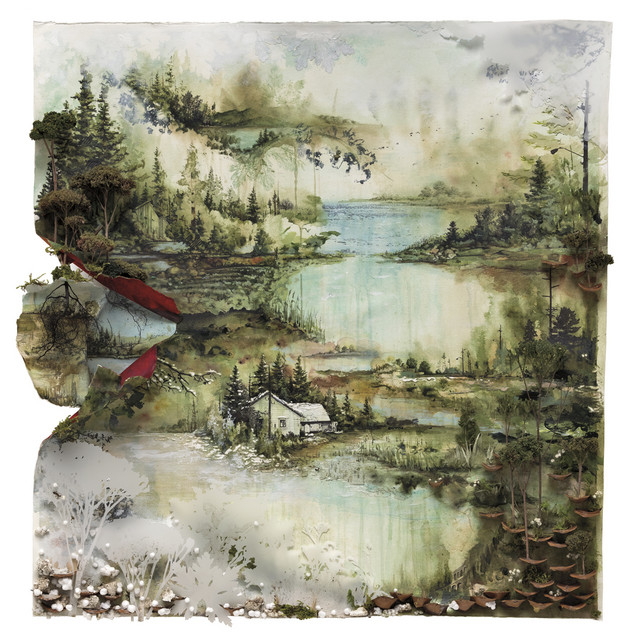
Nature as a Muse
When Bon Iver released "Holocene" as the second single from their self-titled album in 2011, it was a moment that encapsulated a profound relationship between music and nature. The song stands as an exploration of the human experience against the backdrop of the natural world, a theme that runs deep through the veins of the indie folk genre.
Justin Vernon, the mastermind behind Bon Iver, has often cited the wilderness of Wisconsin as a significant influence on his work. This connection is palpable in "Holocene," where the vastness of nature mirrors the introspective journey of the self. The serene yet haunting soundscapes evoke images of tranquil forests and expansive skies, creating a sense of both isolation and unity with the world.
The Sound of Solitude
The instrumentation in "Holocene" plays a crucial role in conveying its themes. The gentle guitar strumming, layered harmonies, and subtle orchestration all draw listeners into a meditative state. This sonic landscape reflects the natural world, giving the impression of vast, open spaces. It’s as if you can hear the wind rustling through the trees, making the listener feel both small and significant.
The lyrics mirror this sentiment. Vernon sings about self-awareness and insignificance with a touching honesty. The line,
captures a moment of clarity that is both humbling and liberating. In nature, we often find ourselves confronted with our own limitations, and Vernon translates that feeling into something universally relatable."And at once I knew I was not magnificent"
Imagery and Emotion
The imagery in "Holocene" is deeply rooted in the natural world. Phrases that evoke landscapes, seasons, and weather patterns create a vivid tapestry that enhances the song's emotional depth. The way Vernon intertwines personal introspection with natural imagery allows listeners to engage on multiple levels.
For instance, the metaphor of being lost in nature can be reflective of one’s mental state. Vernon’s exploration of identity is set against a backdrop of environmental beauty, suggesting that nature can be both a refuge and a reminder of our fragility. This duality is evident when he sings about moments that feel fleeting and ethereal.
Connection to the Environment
In a world increasingly disconnected from nature, "Holocene" serves as a poignant reminder of our roots. The song emphasizes the importance of recognizing our place within the greater ecosystem. By grounding his narrative in natural elements, Vernon invites listeners to reconnect with their surroundings and appreciate the beauty of existence.
"Holocene" was produced by Justin Vernon and employs a mix of live instrumentation and electronic elements, creating a unique sound that resonates with both authenticity and modernity.
A Reflection of the Times
Released during a period where the indie folk genre was experiencing a renaissance, "Holocene" stands out not just for its musicality but for its thematic depth. The song captures a moment in time where humanity’s relationship with nature was coming into sharper focus, reflecting concerns about environmental degradation and personal disconnection.
Vernon’s work encourages listeners to reflect on their place in the world. The beauty of "Holocene" lies in its ability to evoke a sense of wonder while simultaneously prompting introspection. In this way, nature becomes a catalyst for self-discovery, urging us to embrace both our individuality and our connection to the larger world.
Conclusion
In "Holocene," Bon Iver crafts a song that is both a meditation on the self and a tribute to the natural world. The influences of nature permeate every note and lyric, creating a rich experience that resonates long after the last chord fades. It’s a reminder that in the vastness of the universe, we are all part of something greater, and that acknowledgment is both humbling and empowering.