The Pulse of Liberation
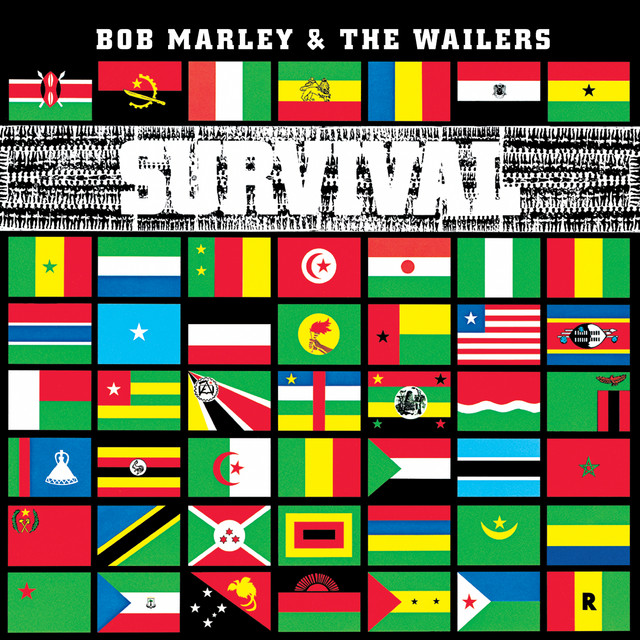
Bob Marley & The Wailers' "Zimbabwe," from the 1979 album Survival, stands as a powerful anthem that resonates with the struggles for liberation across Africa. Released during a time of significant political upheaval, the song's militant tone reflects not just Marley's personal beliefs but the broader fight for freedom that was sweeping the continent.
In the late 1970s, many African nations were experiencing a resurgence of anti-colonial sentiment. Zimbabwe, then known as Rhodesia, was embroiled in a brutal struggle for independence from British rule. Marley's lyrics echo the cries of those fighting for their rights, emphasizing unity and resistance against oppression.
A Call to Arms
The urgency of Marley's message is palpable in the chorus, which invites listeners to join in the fight:
This line not only serves as a rallying cry for Zimbabweans but also for oppressed peoples everywhere. Marley's ability to articulate the pain of suffering and the desire for freedom is what makes this track a timeless piece of protest music."We’re gonna fight, fight for our right to be free."
With the backdrop of the liberation movements, the song is a declaration of solidarity with those who were fighting against colonial rule. It reflects a period when music became a significant vehicle for political expression, a trend that Marley embraced fully. His commitment to the cause is further evidenced by his decision to perform at the Zimbabwe independence celebrations in 1980, marking the culmination of the struggle he sang about.
Marley’s Survival album has been described by critics as his most politically charged work, showcasing his dedication to the African liberation movement.
The Broader Context
Marley's artistry didn't exist in a vacuum; it was deeply influenced by the socio-political climate of the 1970s. His music became an outlet for expressing the frustrations of marginalized communities, particularly those in Africa and the diaspora. As colonized nations sought to forge their identities, Marley's work provided a soundtrack to their struggles.
In “Zimbabwe,” Marley references not just the liberation of a single nation, but a collective yearning for autonomy that transcends borders. His lyrics encourage a sense of unity among oppressed peoples, reminding them that their struggles are interconnected. The line,
reinforces this idea, positioning those fighting for freedom as rightful heirs to their nations."We are the children of the most high, we are the children of the land,"
The Legacy of 'Zimbabwe'
Today, "Zimbabwe" continues to inspire activists and musicians alike. The song’s universal themes of resistance and empowerment resonate in contemporary movements, making it more relevant than ever. As issues of inequality and oppression persist globally, Marley's message provides a powerful reminder of the enduring fight for freedom.
In a world where the cries for justice often go unheard, Marley's music remains a beacon of hope. His ability to capture the spirit of resistance in "Zimbabwe" is a testament to the power of music as a tool for change. The song not only reflects the historical struggles of the past but also serves as a call to action for future generations.