The Final Track, The Final Message
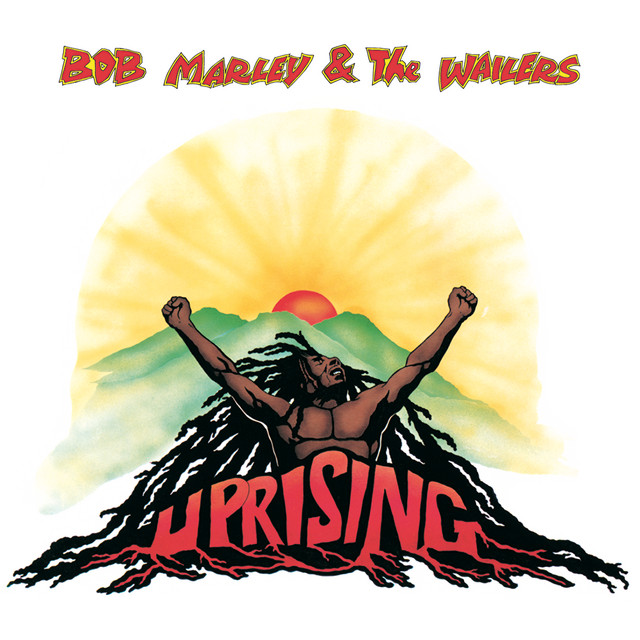
Released in 1980 as the closing track of the album Uprising, Bob Marley’s "Redemption Song" stands as a powerful testament to his enduring spirit in the face of terminal illness. As Marley battled the devastating effects of cancer, his songwriting took on a new urgency, and this song is a reflection of that struggle and his unwavering hope for freedom.
Produced by Chris Blackwell, the track strips away the reggae instrumentation that characterized much of Marley’s work, presenting a raw, acoustic sound. This choice mirrors the stark reality Marley faced. The simplicity of the arrangement allows his poignant lyrics to shine, amplifying their message of resilience and liberation.
A Call for Freedom
Marley’s lyrics in "Redemption Song" resonate with a deep sense of personal reflection and universal truth. The opening lines, “Old pirates, yes, they rob I; Sold I to the merchant ships,” evoke a historical context of oppression and struggle. Marley draws on the legacy of colonialism and slavery, yet he transforms this painful history into a call for empowerment.
“But my hand was made strong / By the 'and of the Almighty.”
This lyric captures Marley’s belief in a higher power guiding him through his darkest days. It is both a personal declaration of strength and a collective anthem for those who have been oppressed. Marley wasn’t just reflecting on his own suffering; he was channeling the collective pain of his people.
Facing Mortality with Grace
As Marley wrote "Redemption Song," he was acutely aware of his impending mortality. Diagnosed with melanoma in 1977, Marley’s health deteriorated rapidly, yet he continued to create music that spoke to hope and liberation. The line, “Emancipate yourselves from mental slavery,” serves as a reminder that true freedom comes from within. It’s a clarion call for self-empowerment, one that Marley himself embodied even as he faced his own limitations.
“Redemption Song” was the last song Marley recorded before his death in 1981. It remains a quintessential anthem for human rights and social justice.
A Lasting Legacy
Posthumously, "Redemption Song" has transcended its original intent, becoming an anthem for various movements worldwide. From protests against apartheid to rallies for civil rights, Marley’s message continues to inspire generations. It’s a song that resonates with anyone who has fought against oppression or sought freedom in any form.
The enduring appeal of "Redemption Song" lies in its authenticity and Marley’s commitment to his message. He didn’t shy away from his pain; instead, he used it as a catalyst for creation. In the final moments of his life, he gifted the world a song that speaks not just of personal redemption but of collective hope and resilience.
Conclusion: The Power of Music
Bob Marley’s "Redemption Song" remains a striking example of how music can serve as both an emotional outlet and a rallying cry for change. In the face of his illness, Marley created a piece that is not just a farewell but a powerful reminder of the strength found in unity and freedom. His legacy lives on, proving that even in the darkest of times, music can light the way forward.