The Roots of Positive Vibration
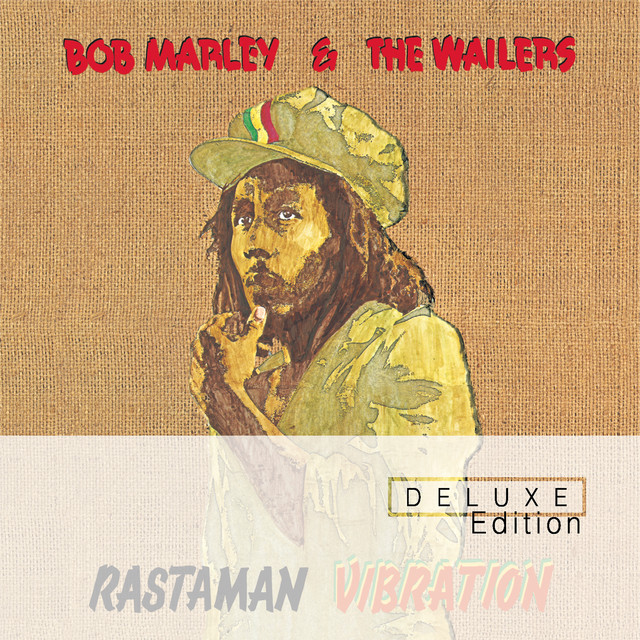
Released in April 1976, "Positive Vibration" stands as a testament to Bob Marley’s unwavering connection to Rastafarian spirituality. Featured on the album Rastaman Vibration, this track embodies the essence of Marley's message, merging reggae rhythms with profound spiritual sentiments.
Marley’s music has always been deeply influenced by Rastafarian beliefs, which advocate for unity, love, and a deep connection to one's roots. The very title of the album signifies a call to embrace positivity and the spiritual vibrations that come from living authentically. As Marley himself sings,
"Positive vibration, yeah, positive vibration."
Lyrics that Inspire
In "Positive Vibration," Marley encourages listeners to cultivate an uplifting mindset. The repetitive nature of the lyrics serves as a mantra, reinforcing the importance of sustaining a positive outlook in the face of adversity. This aligns perfectly with Rastafarian teachings, which often emphasize resilience and hope.
The song’s infectious groove is underscored by a message that transcends mere entertainment. The lyrics resonate with the spiritual philosophy of Rastafari, which sees music as a divine force capable of healing and transforming lives. Marley's delivery transforms the mundane into something sacred, inviting listeners to join in a collective celebration of life.
Spiritual Influence in the Sound
Musically, the track employs traditional reggae elements, characterized by a steady rhythm and soulful melodies. Produced by Marley and the Wailers, the instrumentation is rich and inviting, creating an atmosphere that feels both celebratory and meditative. The vibrant horns and skanking guitar rhythms mirror the joyous spirit of the lyrics.
The blend of instruments and Marley's emotive vocals captures the essence of Rastafarian spirituality: a connection to the divine through sound. The song's structure allows it to build progressively, much like the journey of self-discovery emphasized in Rastafarian belief.
Personal and Collective Upliftment
Marley’s ability to connect personal experiences with broader social issues is on full display in this song. It reflects a duality — the personal journey of embracing positivity while also addressing collective struggles faced by the disenfranchised. Rastafarianism teaches that true liberation comes from within, and Marley’s invocation of positive vibrations serves as a reminder that inner peace can lead to greater societal change.
As Marley chants,
he encapsulates a call to unity that is central to both his music and Rastafarian ideology. This line invites listeners to shed their burdens and come together in a shared experience of positivity."Let’s get together and feel all right,"
The Cultural Impact
"Positive Vibration" has endured through decades, often emerging as an anthem for social movements and gatherings. Its infectious positivity continues to inspire a sense of community, echoing the fundamental Rastafarian principle of togetherness. The song’s legacy is a powerful reminder that music can serve as a vehicle for spiritual expression and social change.
Did you know? "Positive Vibration" was part of the Rastaman Vibration album, which helped solidify Marley’s status as a global icon of reggae music.
Ultimately, Bob Marley’s "Positive Vibration" is more than just a catchy tune. It’s a profound statement of faith, resilience, and the unyielding power of positivity. Through its roots in Rastafarian spirituality, it invites listeners to embrace their own vibrations and spread joy in a world that often feels heavy.