The Spiritual Core of Rastafarian Beliefs
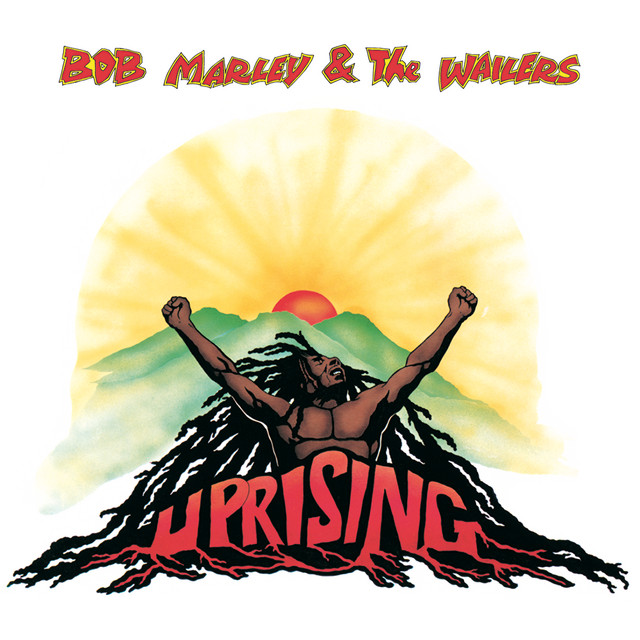
Bob Marley’s "Forever Loving Jah" stands as a monumental affirmation of Rastafarian spirituality. Taken from the 1980 album Uprising, this track is a significant reflection of Marley’s deep-rooted beliefs in Jah, a representation of God in Rastafarianism. The song transcends mere musicality, serving as a spiritual anthem for many seeking solace in faith amidst social and personal turmoil.
Musical Composition and Cultural Context
Produced by Chris Blackwell, "Forever Loving Jah" is notable for its stripped-back acoustic arrangement, showcasing Marley’s vocal prowess and the simplicity of his message. Layered with traditional reggae rhythms, the song stands apart from the more elaborate productions of its time. The rawness of the acoustic guitar allows the lyrics to shine, emphasizing Marley’s unwavering devotion.
Lyrics that Reflect Rastafarian Ideals
Marley’s lyrics are rich with references to his Rastafarian worldview, emphasizing love, unity, and divine connection. The repeated affirmation of love for Jah creates a sense of communal identity among listeners. When Marley sings about everlasting love, he's not just speaking of personal devotion; he's invoking a collective consciousness that resonates deeply within the Rastafarian community.
"Forever loving Jah, forever loving Jah..."
This mantra-like repetition serves as both a prayer and a rallying cry, reminding us of the relentless pursuit of spiritual fulfillment. The emphasis on Jah's eternal nature reflects the Rastafarian belief in the everlasting presence of the divine in daily life.
The Intersection of Politics and Religion
Rastafarianism is not just a spiritual movement; it's also a political one. Marley’s music often intertwines themes of oppression, resistance, and hope. In a time when Jamaica was rife with political turmoil, "Forever Loving Jah" offered a beacon of hope and resilience. The song’s message aligns with the Rastafarian belief in repatriation and the dignity of the African diaspora, reinforcing the idea that love for Jah is also a love for one’s heritage.
Impact on Reggae and Global Music
The influence of "Forever Loving Jah" extends beyond its immediate context into the broader landscape of reggae and world music. The song has been covered and referenced by countless artists, drawing attention to the themes of faith and unity that Marley so passionately espoused. As reggae music continues to evolve, Marley’s foundational messages remain relevant, connecting new generations to the rich cultural tapestry of Rastafarianism.
Conclusion: A Lasting Legacy
In "Forever Loving Jah," Bob Marley encapsulates the essence of Rastafarian culture, marrying spirituality with music in a way that transcends time and geography. The song is more than just a musical work; it’s a testament to the power of faith and the enduring spirit of a community. Through his music, Marley has immortalized Rastafarian beliefs, inspiring listeners to seek their own connection with the divine.
Did you know? 'Forever Loving Jah' was part of Bob Marley’s last studio album, Uprising, which was released shortly before his death in 1981.