The Weight of History
Bob Marley's "Buffalo Soldier" is more than a catchy reggae tune; it's a powerful homage to a group of African American soldiers who fought in the U.S. Army during the post-Civil War era. These soldiers were given the moniker 'Buffalo Soldiers' by Native Americans, a name that has come to symbolize their resilience and courage amidst systemic racism.
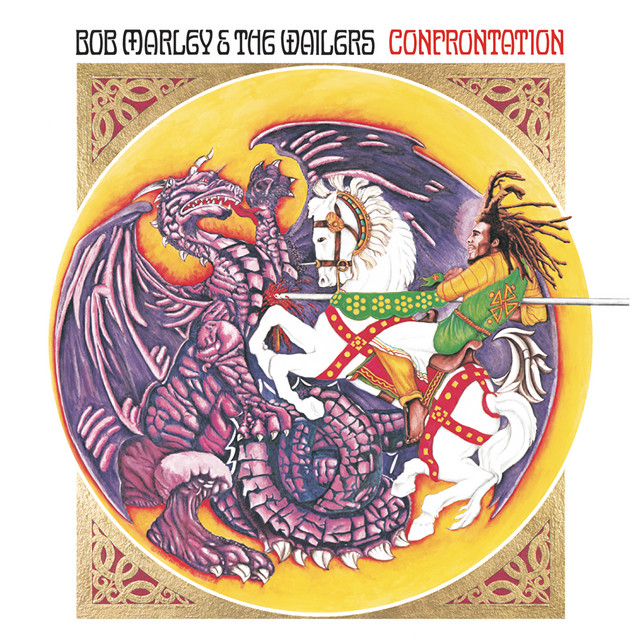
Released in 1983 on the album Confrontation, "Buffalo Soldier" was one of the last tracks Marley recorded before his death. The song's infectious rhythm belies the weight of its subject matter, as Marley and co-writer Noel 'King Sporty' Williams weave together a narrative that honors the struggle of these men who fought for a country that often marginalized them.
The Significance of the Buffalo Soldier
Buffalo Soldiers served in various conflicts, including the Indian Wars and the Spanish-American War, and played a crucial role in the westward expansion of the United States. Yet, their contributions have often been overlooked in mainstream histories. Marley’s song shines a light on this forgotten legacy, reminding listeners of the sacrifices made by these brave soldiers.
"Buffalo Soldier, dreadlocked rasta / It was a Buffalo Soldier, in the heart of America"
In these lines, Marley captures the essence of the Buffalo Soldier's identity. The juxtaposition of 'dreadlocked rasta' with the 'heart of America' serves as a reminder that these men were both part of the American fabric and yet apart from it, battling not just external enemies but also the internal strife of their own marginalization.
Marley’s Vision of Unity
Marley was known for his ability to blend social commentary with uplifting melodies. "Buffalo Soldier" is no exception. The chorus invites listeners to celebrate the legacy of the Buffalo Soldiers while also acknowledging their struggles. Marley’s vision extended beyond mere remembrance; it was a call for unity and understanding.
The album cover of Meditations, where Marley is depicted as Saint George, further emphasizes this theme. Saint George, the dragon slayer, symbolizes the fight against oppression, mirroring the struggles of the Buffalo Soldiers. Marley took on this role not just as a musician but as a cultural warrior.
The Buffalo Soldiers were officially recognized by the U.S. Army in 1866, but their legacy continues to be a subject of much debate and discussion.
A Lasting Impact
The influence of "Buffalo Soldier" extends beyond reggae into the realms of hip-hop, R&B, and even rock, where artists have drawn inspiration from its message. The song remains an anthem for those fighting against injustice, a reminder that history is often written by the victors but can be reinterpreted through art.
Marley’s ability to connect historical narratives with contemporary struggles makes "Buffalo Soldier" a timeless piece. The song is not just about the past; it's a lens through which to view ongoing societal issues, especially regarding race and identity in America.
Conclusion: A Call to Remember
As we listen to "Buffalo Soldier," it’s essential to remember the stories of those who came before us. Bob Marley’s music serves as a bridge between the past and the present, reminding us that the fight for equality and recognition is ongoing. In celebrating the Buffalo Soldiers, Marley invites us all to reflect on our own roles in the tapestry of history.