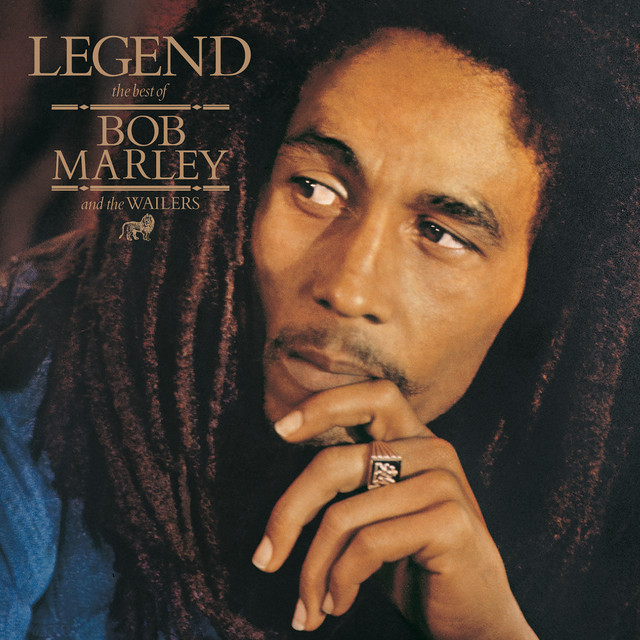
The Genesis of a Reggae Anthem
'Get Up, Stand Up' stands as one of reggae's most potent anthems, but its roots run deeper than Bob Marley alone. Co-written by Marley and Peter Tosh, the song first appeared on The Wailers' 1973 album, 'Burnin'.' This collaboration was not merely an artistic partnership; it was a melding of two minds driven by a shared vision of social justice and empowerment.
A Call to Action
The lyrics of 'Get Up, Stand Up' demand attention. The opening lines set the tone for a song that is as much a personal declaration as it is a collective rallying cry. The famous refrain urges listeners to stand up for their rights:
"Get up, stand up! Stand up for your rights!"
This call to action reflects the urgency that both Marley and Tosh felt in the face of oppression. It’s a sentiment that transcends generations, resonating with various social movements worldwide.
Peter Tosh: The Radical Voice
While Marley became the face of reggae, Tosh’s contributions often went underappreciated. His boldness and radical views on social justice and human rights were essential in shaping the song's message. Tosh's own experiences with discrimination fueled his passion for activism, and this intensity is palpable in the writing.
Tosh's lyrics often challenged the status quo, pushing listeners to confront uncomfortable truths. His line about not giving up the struggle is a testament to his lifelong commitment to fighting for equality, a theme that permeates 'Get Up, Stand Up.'
The Impact of Collaboration
The chemistry between Marley and Tosh brought a unique energy to 'Get Up, Stand Up.' Marley’s smooth, melodic delivery contrasts sharply with Tosh’s raw, powerful voice. This dynamic not only enhances the song's emotional depth but also illustrates the strength found in their collaboration. Each artist brings his own perspective, creating a richer narrative.
The song's placement on 'Burnin'—an album that marked a significant shift in reggae—also speaks volumes. Produced by Chris Blackwell and featuring politically charged tracks, 'Burnin' solidified The Wailers’ role in the global music scene while amplifying their messages of resistance.
Legacy and Continued Relevance
The legacy of 'Get Up, Stand Up' extends beyond its original release. It has been embraced by countless artists and movements, often cited as an anthem for civil rights and social justice. The recent adaptation into 'Get Up, Stand Up! The Bob Marley Musical' further cements its relevance in contemporary culture, showcasing the timeless appeal of Marley's and Tosh's message.
Interesting fact: 'Get Up, Stand Up' was initially written as a response to the Rastafarian belief in standing up against oppression and injustice.
In a world still grappling with inequalities, the song's urgency remains intact. Activists continue to use its lyrics as a source of inspiration, proving that the collaborative spirit behind 'Get Up, Stand Up' is as vital today as it was in 1973.
The Enduring Power of Unity
Ultimately, 'Get Up, Stand Up' serves as a reminder of what can be achieved when artists unite for a common cause. Peter Tosh's role in crafting this anthem cannot be overstated. His vision, paired with Marley’s musical genius, created a piece that continues to inspire action and resilience. As long as there are injustices to confront, the spirit of Tosh and Marley will echo through the ages.