The Session That Changed Everything
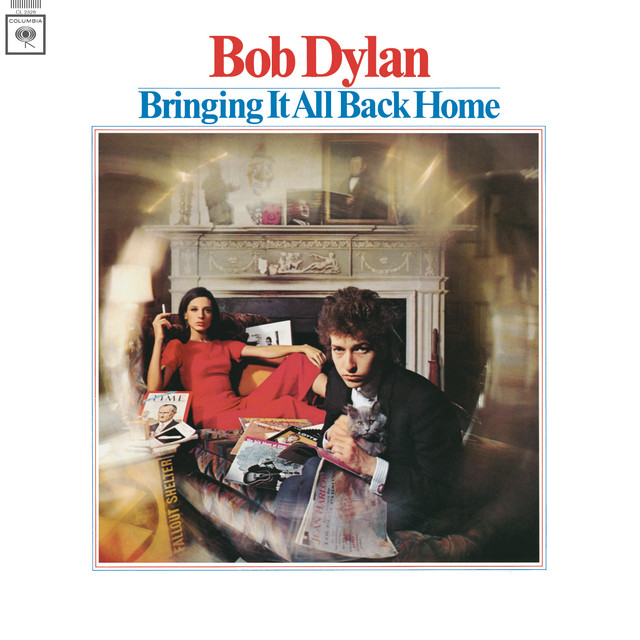
On January 14, 1965, Bob Dylan walked into the studio to record what would become an anthem for a generation. 'Subterranean Homesick Blues' was not just another track; it marked the intersection of folk and rock, a potent signal of Dylan's evolution as an artist.
This session took place at Columbia Records’ studios, a familiar haunt for Dylan, and it was produced by the legendary Tom Wilson, who had worked on Dylan's previous albums. But this time, there was a palpable sense of urgency in the air. Dylan was ready to break free from the constraints of the folk genre that had previously defined his music.
A Burst of Inspiration
The song emerged from a whirlwind of creativity, with Dylan reportedly writing the lyrics on the fly. The rapid-fire delivery, punctuated by the driving beat, was unlike anything heard before. In just over two minutes, Dylan packed a socio-political manifesto into a visceral, almost stream-of-consciousness flow.
"Johnny's in the basement, mixin' up the medicine..."
From the very first line, it was clear that Dylan was channeling the chaos of the 1960s. The imagery evoked in 'Subterranean Homesick Blues' captures the disillusionment and frenetic energy of youth culture, a theme that would resonate throughout the decade.
Breaking New Ground
What makes this track particularly significant is its role in bridging genres. Dylan's shift from acoustic folk to rock was more than just a stylistic choice; it was a declaration. Here was a musician who refused to be pigeonholed, who dressed his lyrics in the garb of rock and roll while still retaining the poetic depth that defined his earlier work.
The incorporation of electric instruments was revolutionary. Dylan's use of a full-band arrangement lent a raw edge to the song, which would go on to influence countless artists. This session marked a pivotal moment where the boundaries of popular music began to blur.
A Cultural Touchstone
Upon its release as a single on February 10, 1965, 'Subterranean Homesick Blues' quickly became a cultural touchstone, capturing the spirit of rebellion. It was more than just a song; it was a rallying cry for a generation grappling with social upheaval and a burgeoning counterculture.
Interestingly, the song's iconic music video, featuring Dylan flipping cue cards with lyrics, is often credited as one of the first music videos in history.
The reception was immediate. Critics hailed it as a groundbreaking piece of work, one that melded the urgency of rock with the introspection of folk. The song's influence can still be felt today, echoing through the work of countless artists who have followed in Dylan's footsteps.
Legacy of the Session
Reflecting on that January day in 1965, it's clear that the session produced something far beyond a hit single. 'Subterranean Homesick Blues' represents a turning point in music history, where lyrics became a vehicle for political commentary and artistic expression.
The song remains a powerful reminder of the potential of music to transcend boundaries and challenge the status quo. Dylan's ability to weave the personal with the political in a mere two minutes makes this recording session one of the most significant in music history.