Folk Traditions and Personal Disillusionment
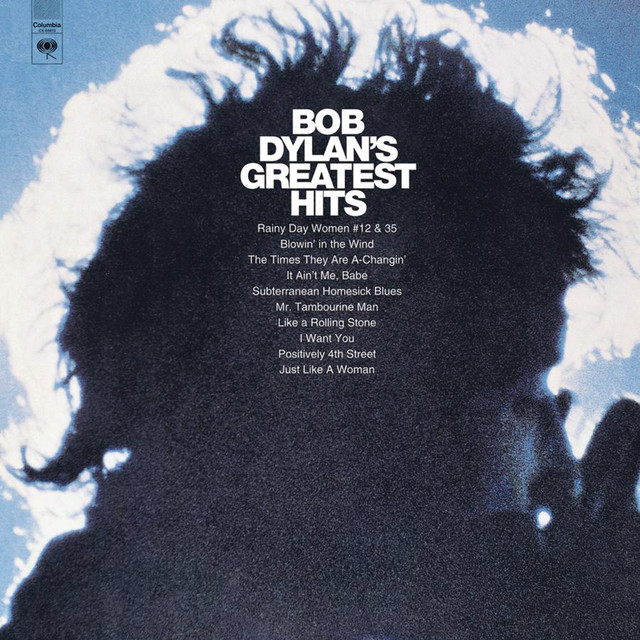
Bob Dylan's "Positively 4th Street" stands as a haunting testament to the folk tradition while simultaneously offering a raw, personal critique of disillusionment. Recorded in New York City on July 29, 1965, and released as a single, the song showcases Dylan's ability to weave personal experiences with broader social commentary.
The melody itself is deceptively simple, featuring a driving rhythm that allows the lyrical content to cut through with clarity. It’s a sound that recalls the folk revival of the early 1960s, yet Dylan's approach is anything but traditional. He takes the basic structures of folk music and infuses them with an emotional weight that is uniquely his own.
Melody Meets Emotion
In "Positively 4th Street," the melody conveys a sense of longing and bitterness, underscoring the lyrics' sharpness. As the song unfolds, it becomes clear that Dylan is aiming at the heart of his critics and those he feels have betrayed him. The line,
reveals a desire for empathy that resonates with anyone who has felt misunderstood."I wish that for just one time you could stand inside my shoes"
The song's roots in folk tradition can be traced back to the storytelling nature of the genre. Dylan embraces this with lines that paint vivid images of betrayal and disappointment, echoing the sentiments of folk legends before him while carving out his own identity. The simplicity of the instrumentation allows the story to take center stage, a hallmark of classic folk music.
A Reflection of the Times
Released at the height of Dylan's career, "Positively 4th Street" reflects the tumultuous social landscape of the mid-1960s. While the folk movement was often associated with hope and activism, Dylan's song offers a counter-narrative, one marked by cynicism and personal strife. This duality is what makes the song timeless; it’s both a personal lament and a broader commentary on the disillusionment of the era.
The song was recorded during a particularly prolific period for Dylan, following his transition from acoustic folk to electric music, marking a pivotal moment in his career.
Cultural Impact and Legacy
"Positively 4th Street" has maintained its relevance over the decades, often cited as a precursor to the confessional style of singer-songwriters that emerged in the 1970s. Its haunting melody and biting lyrics have inspired countless artists across genres, proving that the themes of betrayal and longing are universal and enduring.
In a world where the personal and political often intersect, Dylan’s ability to voice his frustrations so vividly makes this song a standout. The sharpness of his lyrics, coupled with the haunting melody, creates a powerful listening experience that lingers long after the final note. Dylan writes,
, a phrase that encapsulates that moment of painful acceptance, and in that, we find a shared human experience."You’re a big girl now"