The Call of the Tambourine
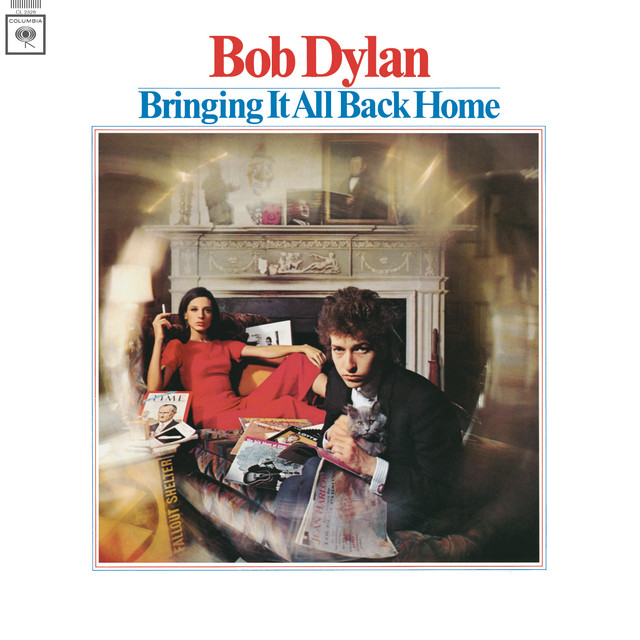
Bob Dylan's "Mr. Tambourine Man" stands as a definitive marker of the 1960s counterculture, capturing the zeitgeist of a generation hungry for change. Released in March 1965 as the opening track of the acoustic side of Bringing It All Back Home, the song melds surreal imagery with existential yearning, reflecting a world in flux.
The era was characterized by an increasing disillusionment with traditional values and a desire for liberation, both socially and personally. Dylan's lyrical genius shines through in lines that evoke both the chaos and beauty of this transformative time. The titular character, the tambourine man, symbolizes a guide to this new reality—an emblem of artistic exploration and self-discovery.
Imagery of Escape
Dylan’s songwriting is often steeped in metaphor, and "Mr. Tambourine Man" is no exception. The song’s opening lines invite the listener into a dreamlike state, where the tambourine man becomes a figure of escape, imploring the narrator to join him on a journey. This sense of wandering parallels the experiences of many during the 1960s, who sought refuge from societal constraints.
"Hey, Mr. Tambourine Man, play a song for me / In the jingle jangle morning, I'll come following you."
Here, the call to action is not just about music; it’s about the pursuit of freedom. The jingle jangle morning could very well represent a new dawn, a fresh perspective amid the tumult of the times.
A Reflection of Societal Change
The mid-1960s were marked by radical shifts in social norms, including the civil rights movement, the anti-war protests, and the burgeoning counterculture that embraced peace, love, and music as forms of resistance. Dylan's lyrics embody this ethos, tapping into a collective consciousness that sought to break free from the shackles of conformity.
As the song unfolds, the tambourine man is more than a mere musician; he becomes a harbinger of change, urging listeners to embrace the uncertainty of life. The line, "Yes, and the time's not long," serves as a reminder that the urgency for change is palpable. It implies that the moment for action is now, reflecting the restlessness of youth eager to forge a new path.
The Influence on Folk Rock
The influence of "Mr. Tambourine Man" extended far beyond its own release. It paved the way for the folk-rock movement, inspiring bands like The Byrds, who famously covered the song and brought it to the mainstream. Their version, with jangly guitars and harmonies, solidified the song's place in popular culture and showcased how Dylan’s vision could be adapted to broader musical styles.
Interestingly, Bob Dylan re-recorded "Mr. Tambourine Man" for his next album, Another Side of Bob Dylan, showcasing the song's evolving narrative and Dylan's own artistic growth.
A Lasting Legacy
Ultimately, "Mr. Tambourine Man" reflects not just the personal quest for meaning but also a larger cultural movement. Its themes of escapism, the search for identity, and the challenge to authority resonate with listeners even today. In an era where music was a crucial part of activism, Dylan's work stood out as a beacon of hope and an invitation to dream.
As we revisit this classic, it’s essential to recognize its role in shaping a generation’s consciousness. The tambourine man remains a figure of inspiration, urging us to explore the uncharted territories of our minds and souls, reminding us that the journey is as significant as the destination.