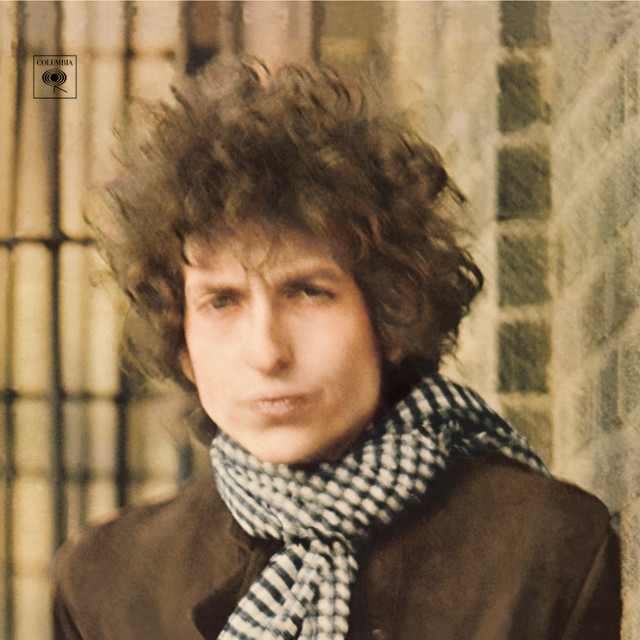
The Influence of a Classic
Bob Dylan's "I Want You," released in June 1966 on his album Blonde on Blonde, is not just another track in Dylan's expansive catalog; it's a cornerstone that has shaped the sound and sensibilities of modern indie music. The song's seductive lyricism and raw emotion have left an indelible mark on countless artists, creating a ripple effect that continues to this day.
A Study in Desire
At its core, "I Want You" is a simple expression of longing, but Dylan's approach to this theme is anything but straightforward. The driving beat and lush orchestration, produced by Bob Johnston, complement the urgency of the lyrics. When Dylan sings,
it captures an intensity that many contemporary indie musicians strive to emulate."I want you, I want you, I want you, just like I want my own life,"
Modern Echoes
Indie bands such as The National and Phoebe Bridgers have taken cues from Dylan's blend of vulnerability and complexity. The National's Matt Berninger often channels a similar rawness in his vocal delivery, evoking the same sense of yearning present in Dylan's work. Bridgers, meanwhile, taps into emotional landscapes that resonate with Dylan's confessional style, crafting songs that feel equally personal and universal.
Bob Dylan's "I Want You" has been covered by numerous artists, including Bryan Ferry and the band The Black Crowes, underscoring its lasting appeal.
Lyricism and Ambiguity
Dylan's knack for ambiguity is another trait that modern indie artists admire. His lyrics often leave interpretation open to the listener, allowing for personal connections to form. Tracks like "I Want You" invite listeners to find their own meanings, a practice that aligns with the ethos of many indie musicians today. When Dylan croons,
he creates imagery that is both surreal and grounded, a technique that continues to inspire songwriters."The guilty undertaker sighs, the lonesome organ grinder cries,"
Production Techniques
The production of "I Want You" also set a precedent for indie music's sonic experimentation. The song's lush instrumentation, which includes strings and horns, was daring for its time. This orchestral approach has been revisited by modern indie bands, who often blend traditional rock elements with unexpected instruments to create rich soundscapes. Bands like Sufjan Stevens and Fleet Foxes weave intricate arrangements that echo the adventurous spirit found in Dylan's work.
Legacy in Modern Themes
The themes of desire and longing articulated in "I Want You" are timeless and continue to resonate in today's music. Indie artists frequently explore complex emotional territories, reflecting the intricacies of modern relationships. The directness of Dylan's proclamation—
—carries a weight that is often echoed in the work of contemporary songwriters who are unafraid to confront their feelings head-on."You know I want you,"
Conclusion: A Lasting Impact
Bob Dylan's "I Want You" is more than just a classic; it's a blueprint for emotional honesty in songwriting. Its influence can be felt across the indie music scene, where artists channel Dylan’s straightforward yet layered approach to express their own truths. As the modern indie landscape continues to evolve, the echoes of Dylan's yearning will undoubtedly persist, inspiring generations of musicians to articulate their desires with the same fervor.