The Blues Influence on Highway 61 Revisited
Bob Dylan's 1965 album Highway 61 Revisited marks a pivotal moment in the evolution of rock music, melding folk storytelling with the raw energy of the blues. The title track, named after the highway that runs from Minnesota to New Orleans, is a prime example of how Dylan channels the spirit of the blues, infusing it with a modern twist. The gritty, driving rhythm and biting lyrics echo the struggles and emotions found in traditional blues music, yet they are undeniably infused with Dylan's unique perspective.
In Highway 61 Revisited, the blues influence is unmistakable. The song’s structure mimics classic blues forms, while Dylan's vocal delivery channels the urgency of artists like Muddy Waters or Howlin' Wolf. The line,
reflects a deep-seated storytelling tradition that resonates with the themes of sacrifice and existential questioning prevalent in both blues and folk."Oh, God said to Abraham, 'Kill me a son'"
Folk Roots and Narrative Depth
The folk traditions that shaped Dylan’s early work are also vital to understanding Highway 61 Revisited. Though he electrified his sound, the album is steeped in narrative depth and symbolism, hallmarks of folk music. Tracks like
evoke the prophetic nature of folk lyrics, serving not just as commentary but as a challenge to the audience’s perception of reality."You don’t need a weatherman to know which way the wind blows"
Dylan's ability to weave complex stories into his music is apparent throughout the album, creating characters that feel both timeless and contemporary. This blend of folk and blues creates a musical dialogue that speaks to the struggles of everyday life, echoing the sentiments found in the works of folk legends like Woody Guthrie.
The Role of Improvisation
Improvisation is another critical aspect where the blues tradition seeps into Dylan’s work on Highway 61 Revisited. The album captures a sense of spontaneity, particularly in its instrumental sections, where the musicians — including the legendary Mike Bloomfield on guitar — embrace the freedom of expression typical in blues jams. The raw energy of the sessions can be felt in tracks like the title song, where the interplay between instruments creates a vibrant, almost chaotic atmosphere.
This improvisational spirit reflects the essence of the blues, a genre born out of the African American experience and characterized by its emotional outpouring. Dylan, while not a traditional blues artist, embodies this ethos, making it a cornerstone of his work during this period.
A Cultural Nexus
Highway 61 itself symbolizes a cultural crossroads, bridging the rural South with the urban North. Dylan's decision to name the album after this iconic road highlights the journey of American music itself — from the deep blues roots in Mississippi to the folk revival happening in New York City. The highway becomes a metaphor for the melding of cultures, traditions, and sounds that define American music.
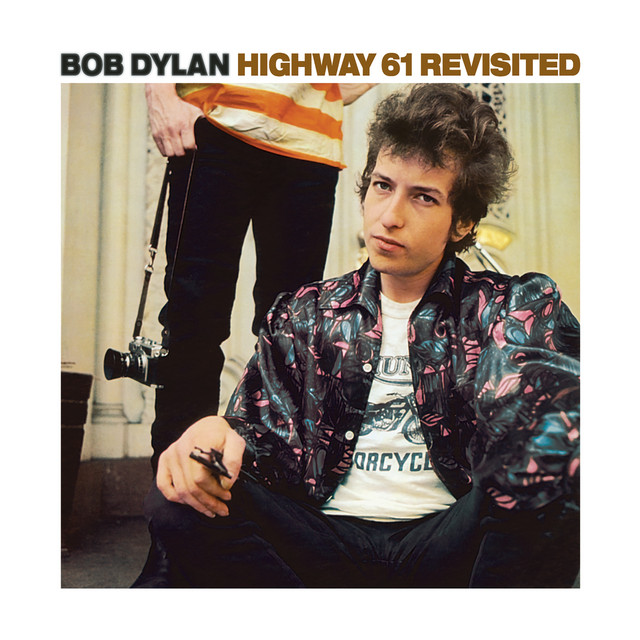
Interestingly, the album's cover art features a photograph of Dylan in front of a highway sign, emphasizing the connection between the artist and the journey that shaped his music.
Conclusion: A Lasting Legacy
The influence of blues and folk traditions on Highway 61 Revisited is profound and enduring. Dylan didn't just borrow from these genres; he redefined them, showing that rock music could be as potent a vehicle for storytelling and emotion as folk or blues had ever been. As we listen to tracks like the title song, we are reminded that the spirit of the blues — its struggle, its heart, and its improvisational flair — remains alive, thanks to Dylan’s visionary integration of these traditions into the fabric of rock music.