A Song for the Disenchanted
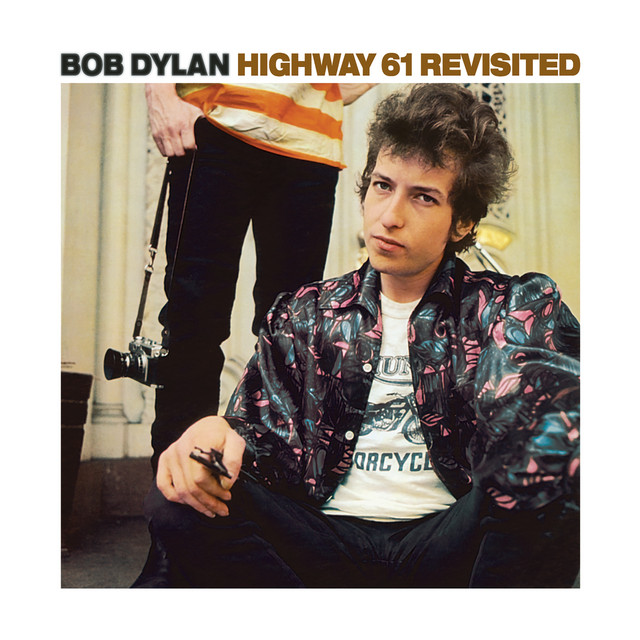
Released on his 1965 album Highway 61 Revisited, Bob Dylan's "Ballad of a Thin Man" is a scathing indictment of societal expectations and an exploration of disillusionment. As the 1960s unfolded, a counterculture movement emerged, fueled by a desire to question authority and challenge the status quo. Dylan’s sharp, observational lyrics captured the angst and confusion of a generation caught between the old guard and a new wave of radical thought.
The Thin Man: A Symbol of Conformity
The titular "Thin Man" represents the archetype of the establishment, a character who embodies the rigidity and ignorance of societal norms. Dylan's biting line,
effectively encapsulates the feeling of those who sensed change on the horizon yet remained oblivious to its implications. This stark confrontation with the obliviousness of the mainstream became a rallying cry for the counterculture."You know something is happening but you don't know what it is, do you, Mr. Jones?"
Challenging the Status Quo
Dylan's work during this period was not just music; it was a manifesto. The 1960s were marked by protests against the Vietnam War, civil rights movements, and a burgeoning youth culture that sought to redefine identity and values. In this context, "Ballad of a Thin Man" emerged as a critique of those who refused to engage with the pressing issues of their time. The song's relentless questioning of Mr. Jones serves as a metaphor for a society unwilling to adapt or listen.
Soundtrack to a Revolution
The production of Highway 61 Revisited, spearheaded by Dylan and the legendary producer Tom Wilson, was a stark departure from his earlier folk style. The electric instrumentation and blues-infused sound mirrored the frenetic energy of the era, making it not just a song but an anthem for those who felt marginalized by mainstream culture. The raw, urgent sound of the song parallels the rising tides of countercultural movements that were beginning to take hold.
A Reflection of Alienation
Through the lens of the Thin Man, Dylan articulates a profound sense of alienation that many felt during this transformative decade. The line,
speaks to the idea that those who cling to outdated beliefs ultimately fade into obscurity. The rejection of conformity is a central theme for the counterculture, and Dylan’s words resonate with anyone who has felt the weight of societal expectations."You’re invisible now, you’ve got no secrets to conceal,"
Legacy and Influence
“Ballad of a Thin Man” has endured as a powerful critique of societal norms and expectations, influencing countless artists and activists in the years since its release. The song became synonymous with the spirit of rebellion that characterized the 1960s. Dylan's incisive lyrics and bold musical choices inspired a generation to challenge the conventions that had long dictated their lives.
Conclusion: The Thin Man’s Enduring Message
Ultimately, Bob Dylan's "Ballad of a Thin Man" serves as both a mirror and a catalyst for the counterculture movement of the 1960s. Its biting commentary on conformity and the struggle for authenticity reflects the discontent and desire for change that defined the era. As we continue to grapple with similar issues today, Dylan's message remains as relevant as ever, urging us to confront the complexities of our own existence and to question the structures that seek to define us.
The song was recorded in just two takes, showcasing Dylan's raw energy and urgency in delivering a message that still resonates today.