The Watchtower's Unseen Narrators
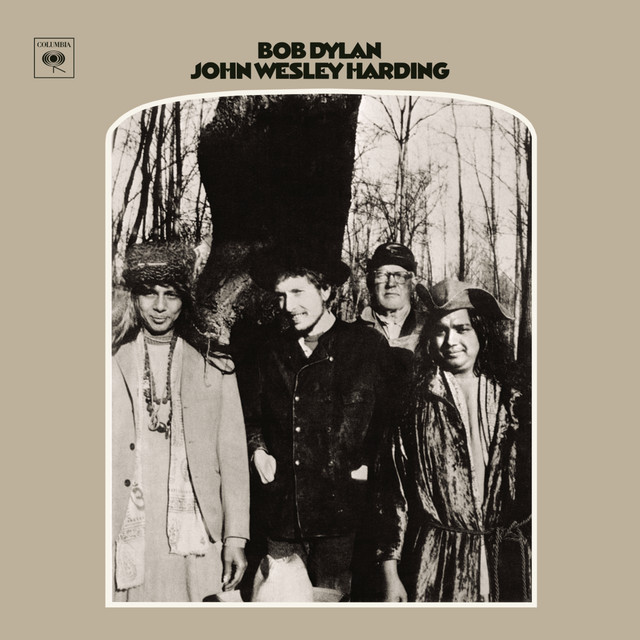
With just a few verses, Bob Dylan's "All Along the Watchtower" paints a vivid tableau of urgency and existential dread. Released in 1967 on the album John Wesley Harding, the song's enigmatic characters — a joker and a thief — have captivated listeners for decades. Their cryptic dialogue unfolds against a backdrop that feels both timeless and unsettling.
The song opens with the joker's dialogue, representing a sense of confusion and disillusionment. His line about the business of life, hinted at with the words,
, serves as a rallying cry for those trapped in the cycles of society. The imagery evokes the turmoil of the late 1960s, a time when the quest for meaning was both personal and collective."There must be some way out of here, said the joker to the thief"
Who Are the Joker and the Thief?
Who are these figures? The joker, often interpreted as a trickster archetype, embodies the chaos of the human condition. In contrast, the thief represents a more desperate struggle, an attempt to escape or seize control of a situation spiraling out of hand. Their interaction reflects a broader commentary on the human experience — a tug-of-war between illusion and reality.
The setting of the watchtower itself is shrouded in mystery. Is it a place of surveillance, watching over the chaos below? Or is it a prison, isolating its inhabitants from the outside world? Dylan leaves this open to interpretation, inviting listeners to project their own meanings onto the stark imagery.
Roots in Folklore and Literature
Dylan's influences are woven throughout the song, drawing from various sources, including biblical texts and folk traditions. The watchtower can be likened to the biblical watchmen, tasked with vigilance and foresight. This connection adds a layer of depth, situating the song within a long lineage of storytelling that speaks to societal collapse and the search for redemption.
Did you know? Jimi Hendrix's cover of "All Along the Watchtower" is one of the most celebrated renditions, bringing a rock edge to Dylan's original folk roots.
Hendrix's interpretation, released in 1968, transformed the song into a rock anthem, further embedding the characters in cultural consciousness. His soaring guitar solos gave the joker and the thief a new kind of urgency, a soundscape that matched their intense dialogue.
The Cultural Context of 1967
In 1967, America was a nation divided — the Vietnam War raged, civil rights movements surged, and the counterculture began to take shape. Dylan captured this zeitgeist through the lens of his characters, who embody the disillusionment of a generation grappling with its identity. The tension in the song parallels the uncertainty of the times, as the joker and thief navigate a world that feels increasingly perilous.
When the thief remarks,
, it resonates with the yearning for change. It reflects a collective desire to break free from the shackles of circumstance, a theme that echoed loudly in the protests and movements of the era."You and I, we've been through that, and this is not our fate"
The Enduring Mystery
Ultimately, the origins of the joker and the thief remain elusive. Dylan's choice to leave their stories unfinished and their fates ambiguous invites listeners to engage with the song on a personal level. Each listener can project their experiences and interpretations onto these figures, making them universal in their uncertainty.
In a world that often feels chaotic and fragmented, "All Along the Watchtower" serves as a haunting reminder of the struggles we all face. The mystery surrounding its characters only adds to the song's allure, ensuring its place in the pantheon of music history.