Forever Young: The Soundtrack of Uncertainty
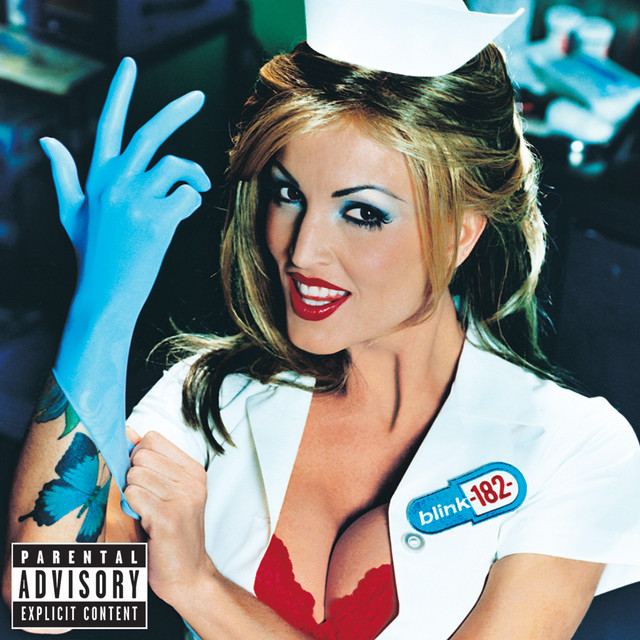
When Blink-182 released "What's My Age Again?" in April 1999, they unknowingly captured the spirit of a generation grappling with the complexities of adulthood. This track, the lead single from their third studio album, Enema of the State, became an anthem for millennials who found themselves stuck in a liminal space between adolescence and adulthood.
Produced by Jerry Finn, the song is characterized by its upbeat tempo and catchy hooks, delivering a sound that perfectly complements its cheeky lyrics. The opening lines set the tone: a candid admission of immaturity in the face of societal expectations. With lines like
, Blink-182 articulates a sentiment many young adults felt: the pressure to conform while still yearning for the carefree days of youth."Nobody likes you when you're 23"
A Reflection of Millennial Identity
As millennials entered their twenties during the late '90s and early 2000s, they were met with a world that demanded responsibility, yet offered few clear paths. The song's chorus, with its playful refrain of not understanding the responsibilities that come with age, became a rallying cry for those who felt lost in the grind of adulthood. The line
echoes a universal confusion about identity and purpose, a theme that resonates strongly in a culture that equates success with traditional milestones."What’s my age again?"
Unlike previous generations, millennials faced unique challenges, from economic downturns to escalating student debt. The carefree attitude embodied in the song became a form of rebellion against these pressures. Blink-182’s irreverent approach to adulthood encouraged listeners to embrace their inner child, even as they navigated the complexities of their adult lives.
The Lasting Impact of a Generation's Theme Song
Fast forward to today, and the cultural relevance of “What's My Age Again?” remains undeniable. The song has been referenced in various media and continues to be performed at concerts, bridging the gap between generations. Its themes of confusion and fear of aging have become even more pertinent as millennials grapple with the effects of a rapidly changing world.
In 2019, Blink-182 collaborated with Lil Wayne to remix the song, showcasing its enduring appeal and relevance across musical genres.
The track’s influence extends beyond music; it has become a cultural touchstone. Its humorous take on the anxieties of growing up resonates in memes, social media posts, and even discussions about mental health. The notion that it's okay to not have everything figured out is a powerful message that continues to inspire new generations.
A Nostalgic Lens on Growing Up
Ultimately, "What's My Age Again?" serves as a reminder that the journey into adulthood is often fraught with uncertainty. Blink-182 encapsulated this struggle in a way that was both relatable and entertaining. The playful nature of the song, combined with its underlying commentary on maturity, allows listeners to reflect on their own experiences while laughing at the absurdity of it all.
This blend of humor and honesty is what makes the song a timeless anthem. For millennials, it's not just about the music; it's about the shared experience of growing up in a world that doesn’t always provide easy answers. As we continue to navigate adulthood, the question posed by Blink-182 remains relevant: "What’s my age again?"