Defining an Era
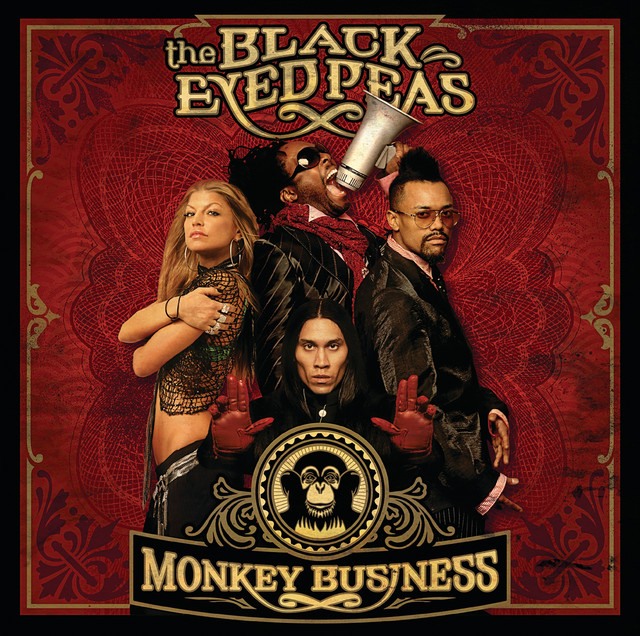
Released on September 20, 2005, the Black Eyed Peas' track "My Humps" quickly became a cultural touchstone of the early 2000s. Featured on their album Monkey Business, the song, produced by will.i.am, blended hip-hop with pop sensibilities and became a massive commercial hit, peaking at No. 3 on the Billboard Hot 100. Its infectious hook and playful lyrics made it a staple on radio and dance floors alike, but it also ignited debates around gender, sexuality, and empowerment.
Sexual Agency or Objectification?
At the core of the discussion surrounding "My Humps" is the tension between sexual agency and objectification. The chorus, where Fergie sings about her physical attributes—"My humps, my humps, my lovely lady lumps"—has been both celebrated and criticized. Many listeners interpreted the song as an assertion of confidence and sexual autonomy. However, critics argued that it reduced women to mere objects of desire, perpetuating a problematic narrative in pop culture.
"What you gon' do with all that junk? All that junk inside your trunk?"
This lyric exemplifies the song's playful yet provocative nature, inviting listeners to engage with themes of sexuality. Yet, it also sparked conversations about how such portrayals might influence societal views on women's bodies. In a time when female empowerment was being redefined in pop music, "My Humps" stands as a paradox—celebratory yet potentially damaging.
The Pop Culture Phenomenon
The Black Eyed Peas didn’t just create a hit; they tapped into a cultural moment. The mid-2000s saw the rise of reality television and the commercialization of celebrity, where appearances often overshadowed talent. "My Humps" thrived in this environment, becoming a ubiquitous presence in media—from music videos to parodies on shows like SNL. It was a reflection of a society grappling with changing norms around sexuality and femininity.
Interesting fact: "My Humps" was nominated for a Grammy for Best Pop Performance by a Duo or Group with Vocal in 2006.
Feminist Discourse and Backlash
As feminist discourse evolved, so did the interpretation of songs like "My Humps." The rise of third-wave feminism, which emphasized individual choice and empowerment, allowed some to view the song as a reclamation of sexuality. However, as the #MeToo movement gained traction in the late 2010s, the song's legacy was reevaluated through a critical lens. Was it empowering, or did it simply reinforce the sexualization of women?
Feminist critiques highlighted how popular music often reflects and shapes societal attitudes. In a genre where female artists are frequently pitted against each other, "My Humps" challenged norms but also perpetuated stereotypes. The duality of its reception—celebrated by some, criticized by others—shows the complexities of navigating female representation in music.
Legacy in Modern Pop
The impact of "My Humps" extends beyond its initial release. It laid groundwork for future songs that explore female sexuality, albeit with more nuanced narratives. Artists like Lizzo and Doja Cat continue to push boundaries while addressing issues of body image and self-acceptance, echoing themes present in the Black Eyed Peas’ hit but often with a more explicit feminist lens.
In retrospect, "My Humps" serves as a cultural artifact, encapsulating the contradictions of its time. It was a hit that made listeners dance while simultaneously challenging them to think critically about the messages it conveyed. In an era when pop culture was beginning to grapple with issues of consent, representation, and feminism, the song remains a relevant, if contentious, point of reference.