The Southern Gothic Influence
Bishop Gunn’s ‘Alabama’ serves as a haunting ode to the South, steeped in the Southern Gothic tradition that has long characterized literature and music from the region. This style, known for its exploration of decay, desolation, and the grotesque, finds a vibrant expression in the band's blend of blues, Americana, and rock. The song captures the essence of life in Alabama, where beauty and darkness intertwine in a way that is both captivating and unsettling.
Imagery of Place
The lyrics of ‘Alabama’ paint a vivid picture of the state’s landscapes and cultural nuances. Lines that reference the “crimson skies” and “swampy waters” invoke powerful visuals that resonate with anyone familiar with the South’s natural beauty and its undercurrents of sorrow. This imagery is not merely descriptive; it functions as a metaphor for the emotional landscape of the region—a place where hope and despair are inextricably linked.
"The sun sets low in Alabama, shadows stretch across the land"
Here, the setting sun symbolizes both an ending and a new beginning, a duality that is central to Southern Gothic storytelling. The shadows represent the lingering past, the weight of history that continues to influence the present.
Characters of the South
Southern Gothic often features flawed characters caught in the throes of their own demons, and Bishop Gunn does not shy away from this tradition. The narrative voice in ‘Alabama’ reflects a deep-seated nostalgia, intertwined with a recognition of personal and collective struggles. This complexity is evident when the lyrics speak to “the ghosts of those who came before,” acknowledging the haunting legacies left by ancestors.
The Personal Meets the Universal
What makes ‘Alabama’ particularly striking is its ability to bridge the personal with the universal. As Travis McCready croons about lost love and fading dreams, he taps into a broader commentary on the Southern experience. The sorrow is palpable, yet it’s interlaced with a sense of resilience. This duality is a hallmark of the Southern Gothic genre, where despair often coexists with an unyielding spirit.
"In the heart of the storm, we find our way home"
This line speaks volumes about the Southern ethos. Even amid turmoil, there’s a relentless pursuit of belonging and identity—a theme that resonates deeply with listeners who share similar struggles.
Musical Elements and Production
Musically, ‘Alabama’ thrives on its bluesy undertones and rock-infused energy, a fitting backdrop that complements its lyrical depth. The production, led by McCready alongside other band members, captures the raw essence of the South, utilizing instrumentation that feels both organic and haunting. The guitars echo the cries of the land, while the rhythm evokes the heartbeat of a community grappling with its past.
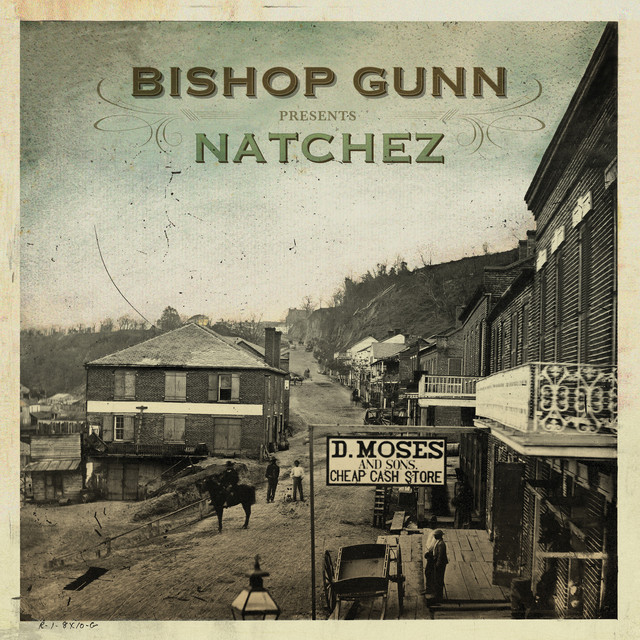
Bishop Gunn formed in Natchez, Mississippi, a city rich in Southern history, contributing to their authentic sound and storytelling.
The Southern Gothic Legacy
As ‘Alabama’ unfolds, it becomes clear that Bishop Gunn is not just recounting tales of the South but is also engaging in a dialogue with the Southern Gothic tradition. The interplay of light and darkness, hope and despair, is expertly woven into the fabric of their music. As the song draws to a close, listeners are left with a lingering sense of both sadness and beauty—an experience that echoes the very essence of Southern life.
In capturing the complexities of Alabama, Bishop Gunn honors the Southern Gothic legacy. The song stands as a testament to the power of imagery and storytelling in music, reminding us that the South is a place of rich narratives, where the past forever shapes the present.