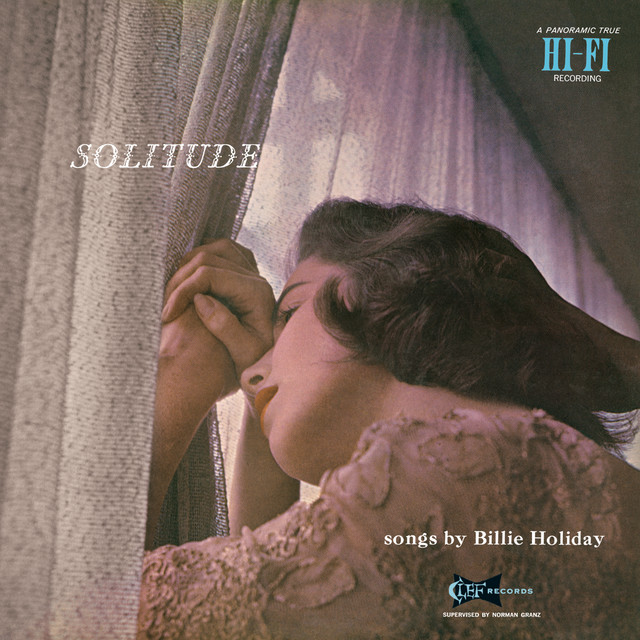
A Classic Reimagined
Originally penned by Richard Rodgers and Lorenz Hart in 1934, "Blue Moon" has been a staple in the Great American Songbook. While many artists have tackled the tune, it was Billie Holiday's interpretation that transformed it into a jazz-inflected pop standard. Her version, recorded in 1941, is a masterclass in emotional nuance and improvisational flair.
Jazz Elements at Play
Holiday's take on "Blue Moon" is rich with jazz influences that elevate it beyond mere pop. The song's familiar melody is delivered with a unique swing, allowing her to play with timing and phrasing. This approach is evident in how she stretches certain notes, particularly on the line:
"Blue moon, you saw me standing alone..."
Here, the elongation of the word ‘alone’ imbues the lyric with palpable longing, showcasing her ability to convey complex emotions through subtle vocal inflections.
Innovative Vocals
Holiday's vocal style was revolutionary for its time. She infused the song with a conversational quality, treating the lyrics as if they were her own thoughts. This is a stark departure from the more formal, polished vocal techniques prevalent in pop music of the era. Her use of behind-the-beat phrasing made the song feel both intimate and spontaneous.
The Impact on Pop Standards
Before Holiday's version, "Blue Moon" was a relatively straightforward ballad. Post-1941, however, it became a template for how jazz could inform popular music. Many artists sought to capture that same emotional depth, leading to a wave of reinterpretations that incorporated jazz sensibilities. Frank Sinatra, for example, drew from Holiday's phrasing in his own renditions, merging jazz with the emerging pop crooner style.
Billie's Legacy
Holiday's influence on pop music cannot be overstated. With a discography that includes 12 studio albums and 38 singles, her impact is felt across genres. Each note she sang was steeped in her own experiences, making her interpretations resonate on a personal level. This authenticity allowed her to connect with audiences in a way that was revolutionary.
Conclusion: A Transformative Moment
Billie Holiday's version of "Blue Moon" stands as a transformative moment in music history. By intertwining jazz elements into a pop standard, she not only redefined the song but also paved the way for future artists to explore deeper emotional connections within their music. The lasting influence of her rendition is a testament to her artistry and the timeless quality of the song itself.
Interesting fact: Billie Holiday's recording of "Blue Moon" was part of her album "Billie Holiday - The Complete Decca Recordings," released in 1944.