Childhood Roots in 'Grandma's Hands'
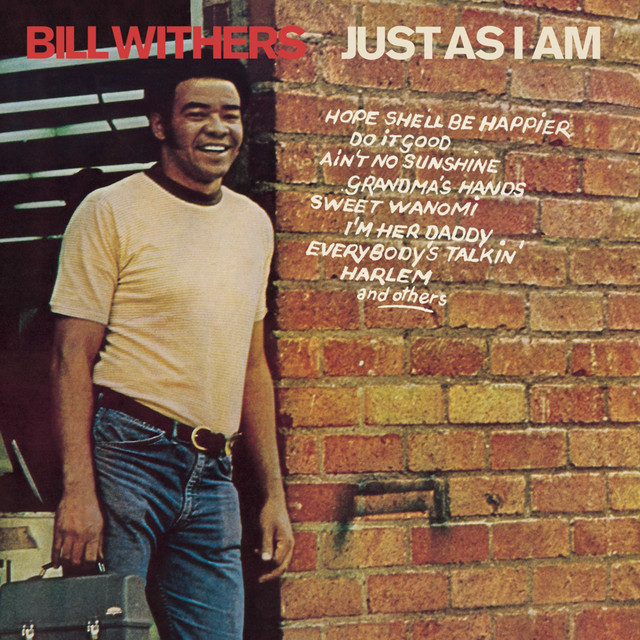
Bill Withers’ 'Grandma's Hands' is more than just a song; it’s a vivid recollection of his early years, painted with the fond strokes of nostalgia. Featured on his debut album, Just as I Am (1971), this track captures the essence of familial love through the lens of his childhood experiences in Slab Fork, West Virginia. Withers’ lyrics weave a rich narrative that speaks to the universal bond between grandparent and grandchild.
The Heartbeat of Memory
As Withers recalls, “Grandma's hands” were a source of comfort and strength. The imagery in the song is striking, illustrating not just physical sensations but also emotional anchors that shaped his upbringing. When he sings about her hands, he’s evoking a profound sense of safety and nurturing:
This line captures the spiritual foundation that likely influenced his later work, blending gospel elements with soul."Grandma's hands clapped in church on Sunday morning"
A Personal and Collective Story
Withers meticulously crafts a narrative that resonates beyond his personal history. He reflects on the hardships faced by his family and community, using his grandmother as a symbol of resilience. The line,
highlights not only her nurturing spirit but also the wisdom passed down through generations. In an era when physical discipline was common, her approach was both radical and compassionate, hinting at the values Withers would later embrace in his artistry."She'd say, 'Baby, don't you whip that boy'"
Musical Composition and Collaboration
The production of 'Grandma's Hands' underlines its emotional weight. With the collaboration of Stephen Stills on guitar, the arrangement complements Withers’ soulful delivery. The simplicity of the melody allows the lyrics to take center stage, making each word feel like a heartfelt memory shared between the singer and the listener.
Withers wrote 'Grandma's Hands' as a tribute to his grandmother, who played a significant role in his upbringing after his parents separated.
Legacy of Love and Loss
'Grandma's Hands' is not merely a nostalgic trip down memory lane; it’s also a meditation on loss. Withers reflects on the passing of time and the inevitability of change, as he acknowledges how life’s harsh realities can fade the warm memories of childhood. The song ends with a bittersweet recognition of mortality:
This acknowledgment transforms the song into a universal anthem of remembrance."But I know that she’s gone now"
Conclusion: A Timeless Tribute
Bill Withers’ 'Grandma's Hands' stands as a testament to the profound impact of childhood memories on artistic expression. It serves not just as a personal homage but as a universal declaration of love and respect for those who shape us. In a world often characterized by transient connections, Withers reminds us of the enduring bonds that remain, rooted in the hands that held us and the lessons they imparted.