Love in a Time of Turmoil
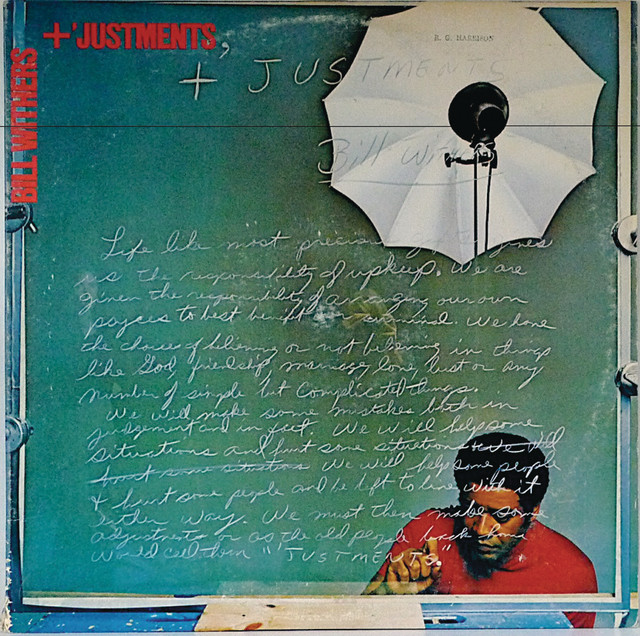
Bill Withers' "Can We Pretend" is a haunting ballad that captures the complexities of love against the backdrop of the 1970s, a time when Black Americans faced both external societal pressures and internal struggles. Recorded for his 1974 album +'Justments, the song, penned by his then-wife, the talented songwriter, and singer, Denise Nicholas, conveys a palpable sense of yearning and vulnerability.
The Weight of Reality
At its core, "Can We Pretend" explores the notion of escapism in a relationship plagued by the weight of reality. Withers’ smooth vocal delivery juxtaposes the rawness of the lyrics, creating a sense of dissonance that mirrors the struggles of Black love during this era. The 1970s marked a significant cultural shift, where the fight for civil rights was still fresh and systemic issues loomed large over personal lives.
"Can we pretend that we’re not who we are?"
This line encapsulates the desire to escape societal expectations and racism that often infiltrated intimate relationships. The notion of wanting to pretend speaks to a broader theme in the Black community during this time — the desire for a safe haven amid chaos.
A Reflection of Society
Withers’ music often touched on themes of love, loss, and resilience. In "Can We Pretend," he doesn’t shy away from the pain that often accompanies love. The era was rife with social and economic challenges, and for many, love served as both a refuge and a source of additional strain. The soul genre, particularly in the 1970s, became a platform for expressing the complexities of Black identity and love.
"I’m so tired of pretending, baby."
This lyric speaks volumes about the emotional exhaustion that can accompany the façade of love—especially when societal pressures threaten to erode that love’s foundation. The desire to be genuine, even amid turmoil, resonates with anyone who has grappled with the duality of public and private life.
Historical Context
In 1978, the song was performed by Withers on CBS, bringing further attention to the nuanced themes of Black love and identity.
During the 1970s, the Black community was navigating the aftermath of the civil rights movement while facing economic hardships and persistent discrimination. "Can We Pretend" serves as a snapshot of this struggle, as it reflects the delicate balance between personal relationships and the external world. Withers’ soulful sound and Nicholas’ poignant lyrics create an atmosphere ripe for reflection.
Intimacy and Vulnerability
The intimacy expressed in "Can We Pretend" is not just about romantic love but also about the vulnerability that comes with it. In a society that often marginalized Black experiences, the song invites listeners to consider the fragility of love amidst systemic oppression. Withers’ ability to convey deep emotion through simple yet effective lyrics makes this song an enduring piece of art.
"Maybe we can pretend that we’re free."
This line captures the essence of longing for freedom—not just in a physical sense, but in the emotional and psychological liberation that love can sometimes offer. The bittersweet nature of this desire highlights the ongoing struggles faced by Black couples trying to navigate their love in a world that often feels hostile.
The Legacy of 'Can We Pretend'
Bill Withers remains a stalwart figure in soul music, and "Can We Pretend" exemplifies his ability to tackle complex themes with grace and sincerity. The song stands as a testament to the struggles of Black love in the 1970s, echoing the desire for connection in a world that often feels disconnected. In a time when Black voices were fighting for recognition, Withers’ lyrics provided not just comfort but also a mirror reflecting the reality of love's trials.
Ultimately, "Can We Pretend" is more than just a song; it’s a narrative of resilience, hope, and the unyielding spirit of love that seeks to transcend the limitations imposed by society. Withers’ work invites listeners to contemplate their own relationships and the societal dynamics that shape them, making it as relevant today as it was nearly five decades ago.