From Rock Anthem to Reggae Classic
Peter Frampton's "Baby, I Love Your Way" has long been a staple in the rock canon since its original release in 1975. Featured on his landmark album, Frampton Comes Alive!, the song captured the essence of 70s love ballads with its heartfelt lyrics and Frampton's signature guitar work. The track's soaring chorus, paired with its romantic sentiment, made it an instant classic that resonated with audiences.
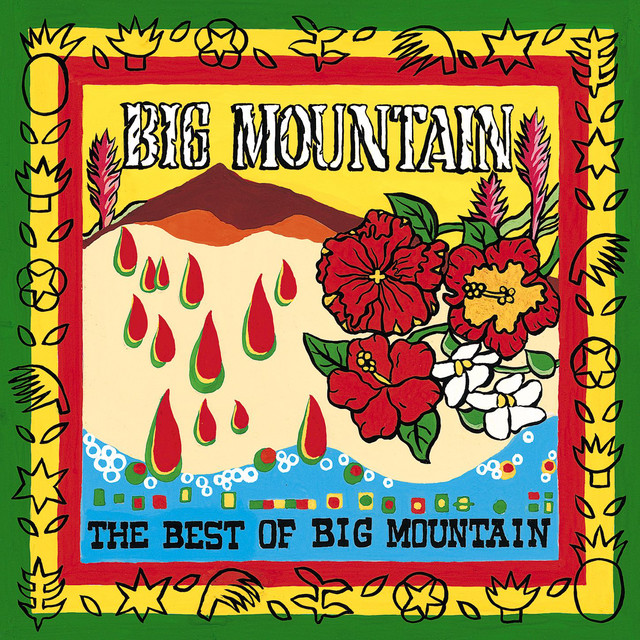
Fast forward to the early 90s, and we encounter Big Mountain's reggae-infused cover, which breathed new life into the timeless ballad. Released in 1994 as part of their debut album, Unity, Big Mountain's rendition reached a new generation, climbing into the top 10 of the Billboard Hot 100 and securing its place in pop culture. This transformation marked a significant shift in not just the song's sound but also its cultural impact.
Frampton's Original: A Love Letter
Frampton's version is a quintessential product of its era, characterized by lush instrumentation and a passionate vocal delivery. The opening lines set the tone with a sincere plea:
. This line illustrates the romantic imagery that permeates the original, making it a favorite for couples and romantic occasions alike."I can see the sunset in your eyes"
The production, helmed by Frampton himself, emphasized his unique guitar effects, especially the talk box, which became a defining feature of his sound. The original's appeal lies in its simplicity and emotional depth, resonating with listeners who sought connection through music.
Big Mountain's Fresh Take
When Big Mountain took on "Baby, I Love Your Way," they infused it with a laid-back reggae vibe that contrasted sharply with Frampton's rock roots. The band, known for their smooth harmonies and upbeat sound, transformed the song into a sun-soaked anthem perfect for beach parties and summer playlists.
Big Mountain's version retains the core message of love but presents it through a lens of joy and celebration. The opening of their rendition is instantly recognizable, with a relaxed groove that invites listeners to sway along. Their interpretation invites a sense of warmth and community, as they sing,
This change in tone from the original's yearning to a more carefree expression reflects the shift in musical trends of the 90s."Baby, I love your way, I want to be with you night and day."
Impact and Legacy
The success of Big Mountain's cover not only revitalized interest in Frampton's original but also highlighted the ability of music to transcend genres and generations. Their version became emblematic of the 90s reggae revival, which saw Caribbean sounds permeate mainstream music.
Big Mountain's cover was featured in the film Reality Bites, further cementing its place in pop culture.
Moreover, the reggae treatment brought a new audience to Frampton's work, illustrating how reinterpretation can breathe fresh life into classic songs. Big Mountain's approach emphasized the universal nature of love, making the song relevant for a new era.
A Timeless Connection
The evolution from Frampton's rock ballad to Big Mountain's reggae hit showcases the malleability of music and its themes. Both versions connect with listeners on different levels, proving that while the sound may change, the core essence of love remains timeless. Whether it's Frampton's heartfelt guitar solos or Big Mountain's infectious rhythm, "Baby, I Love Your Way" continues to be a testament to the enduring power of love songs.