From Heartbreak to Heartfelt
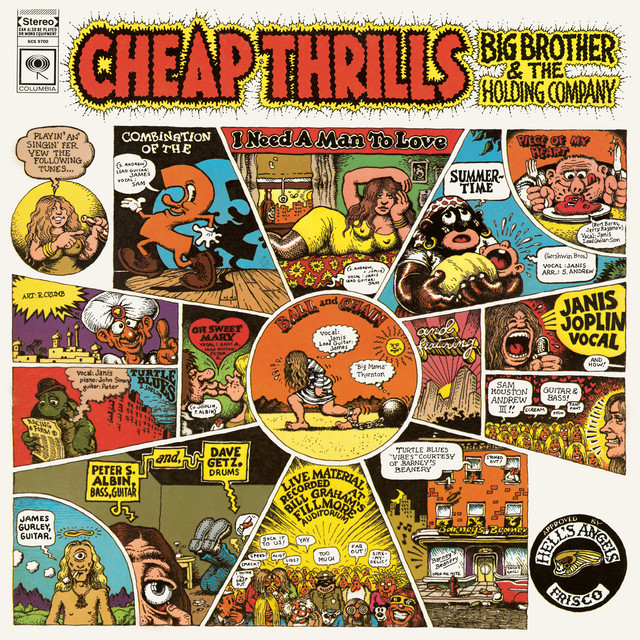
Janis Joplin’s rendition of "Piece of My Heart," recorded with Big Brother & The Holding Company in 1968 for their album "Cheap Thrills," is more than just a soul-infused rock anthem; it’s a window into her tumultuous early life. Originally penned by Jerry Ragovoy and Bert Berns, the song captures the essence of longing and heartbreak, emotions Joplin was all too familiar with.
The Weight of the Past
Born in Port Arthur, Texas, in 1943, Joplin faced a barrage of challenges that would shape her artistic identity. Growing up in a conservative environment, she often felt like an outsider, battling the dual demons of isolation and the desperate need for acceptance. This struggle is mirrored in the raw intensity of her vocal delivery on "Piece of My Heart," where she sings,
. It’s a plea, a confession, and a revelation all wrapped in one."Take another little piece of my heart now, baby"
Echoes of Erma Franklin
Before Joplin made the song her own, it was recorded by Erma Franklin, sister of Aretha Franklin, in 1967. Erma’s version showcased the song’s soulful roots, yet Joplin’s interpretation added a layer of gritty vulnerability. Joplin’s voice, steeped in pain and yearning, elevates the song beyond mere romance, transforming it into a battle cry for those who have ever felt the sting of unreciprocated love.
Art as Catharsis
For Joplin, music was a refuge from her internal strife. The chaos of her personal life, marked by tumultuous relationships and substance abuse, found a voice in her performances. When she belts out the line,
, it’s as if she’s recounting her own experiences of feeling lost, reflecting the disarray of her formative years."You're out on the street, and you don't know what to do"
A Cultural Catalyst
"Piece of My Heart" became a defining anthem of the 1960s, a time when young people were grappling with societal expectations and personal truths. Joplin’s portrayal of emotional vulnerability resonated with a generation yearning for authenticity. It was this connection between her struggles and the song’s narrative that made her performance iconic.
Interesting fact: The live introduction of Joplin by promoter Bill Graham at the Fillmore is a testament to her rise in the music scene, capturing the excitement surrounding her performances.
The Legacy of Pain and Power
Joplin’s version of "Piece of My Heart" not only showcases her vocal prowess but also serves as a cathartic release for her own pain. The song’s success catapulted her into stardom, but it also laid bare the vulnerabilities that would ultimately define her life and career. It’s a bittersweet irony; the very struggles that fueled her artistry also led to her tragic downfall.
Conclusion: A Piece of Joplin
When listeners hear Joplin scream,
, they are not just hearing a performance; they are witnessing a woman laying bare her soul. In "Piece of My Heart," Joplin’s early life struggles are woven into the fabric of the song, making it a timeless anthem of resilience and emotional honesty. Her ability to transform personal pain into powerful art is what cements her legacy as one of rock’s most iconic figures."You know that I love you!"