Contraband: A Symbol of Freedom
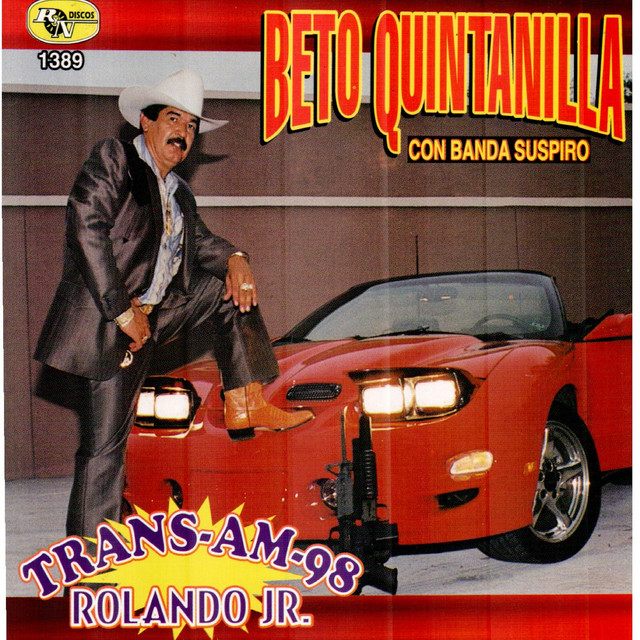
Beto Quintanilla’s "Mi Ultimo Contrabando," released in 1990, stands as a hallmark of norteño music, intertwining themes of contraband with the quest for freedom. The song's narrative doesn’t merely revolve around smuggling goods; it delves into the human spirit's tenacity against oppression, addiction, and the longing for liberation.
The Weight of Addiction
In the context of addiction, contraband serves as a powerful metaphor. The illicit goods represent not just physical items but also the intoxicating allure of escape from reality. Quintanilla sings about the burden of addiction with lines that reflect the struggle and the moments of fleeting freedom it offers. The act of smuggling, often fraught with danger, becomes a vivid representation of taking risks for personal liberation.
"El contrabando me da vida, aunque a veces me va a matar"
This lyric captures the duality of addiction, portraying it as both a source of vitality and a potential deathtrap. It speaks volumes about the complexities of seeking freedom through illegal means, often leading to dire consequences.
Rebellion Against Norms
Additionally, "Mi Ultimo Contrabando" resonates with themes of rebellion, particularly in how it challenges societal norms surrounding love and relationships. The narrative suggests an undercurrent of defiance, especially in its embrace of same-sex relationships, which are often stigmatized in traditional Mexican culture. The song's raw honesty reflects a rebellion against those who would impose restrictions on personal happiness.
Paty Cantú and Modern Interpretations
Recently, Paty Cantú has breathed new life into this classic with her rendition for a popular series, making it accessible to a new generation. Her interpretation foregrounds the song's emotional depth, allowing listeners to connect with its themes of love, freedom, and defiance in the face of societal constraints.
Paty Cantú’s version of "Mi Ultimo Contrabando" has sparked renewed discussions around LGBTQ+ representation in Latin music.
A Broader Context in Latin Music
Other artists like Natalia Jiménez have explored similar themes in their work, such as in "Ya Lo Sé," which tackles the struggles of love and loss within a cultural framework that often marginalizes certain identities. The symbolic use of contraband in Quintanilla's work finds echoes in these contemporary narratives, creating a lineage of rebellion in Latin music.
The Legacy of Contraband
Ultimately, the symbolism of contraband in "Mi Ultimo Contrabando" transcends mere smuggling; it embodies the undying spirit of those who resist oppression in all forms. The song's legacy lies in its ability to resonate with listeners grappling with their own struggles for freedom, making it a timeless anthem of rebellion.