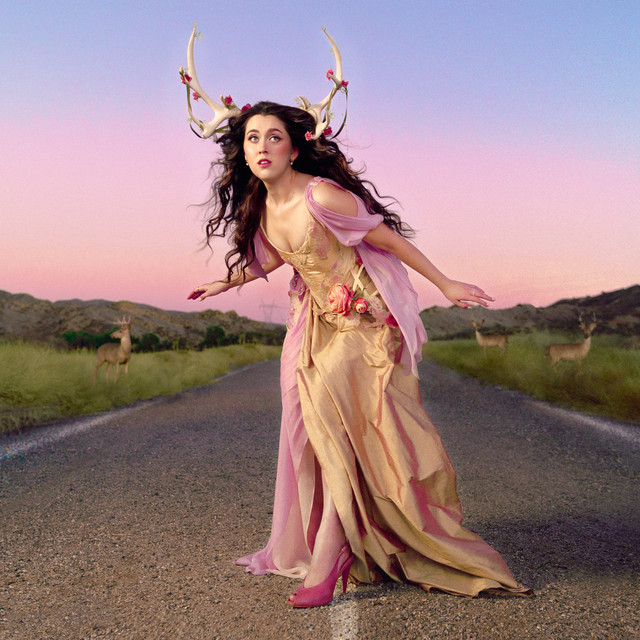
The Canvas of Struggle
In her 2023 single "Van Gogh," Beihold channels a potent mix of vulnerability and creativity, drawing parallels between her own personal struggles and the life of the iconic artist Vincent van Gogh. The song, which appears on her debut EP, is more than just a tribute; it's a reflection of how pain can transform into art.
Beihold's lyrical imagery is sharp and evocative, painting a picture that mirrors the emotional turmoil experienced by van Gogh. Lines like
encapsulate a raw honesty that connects the artist's mental health battles with those of the famous painter. This connection is not merely superficial; it's a testament to how personal experiences can fuel creativity."I’m a mess like he was"
Art as a Coping Mechanism
The song's backdrop is a blend of pop and indie influences, produced with a sensitivity that allows Beihold’s voice to shine. The production complements her narrative, creating an atmosphere that's both reflective and haunting. It's the kind of sound that invites listeners to sit with their own feelings, much like van Gogh's art invites viewers to linger over each stroke.
Beihold doesn’t shy away from discussing the darker aspects of her mental health. The line
serves as a poignant reminder of how depression can dull the vibrancy of life. This lyric resonates with anyone who has felt their own light dimmed by personal battles."Colors fade when the light goes out"
A Journey Through Self-Discovery
As Beihold reflects on her own journey, she embraces the chaotic beauty of imperfection. In a world that often glorifies success and perfection, her acknowledgment of struggle feels refreshingly real. The narrative arc of the song suggests that embracing one's flaws is not only acceptable but essential for personal growth.
Beihold's struggle with self-acceptance mirrors van Gogh's tumultuous life, characterized by both brilliant artistry and profound despair. This connection is particularly striking given van Gogh's own battles with mental illness, which led to his tragic end. Beihold captures this essence, showing that while the road is fraught with difficulty, it can also lead to breathtaking creativity.
Visual Art and Musical Expression
Each lyric in "Van Gogh" acts as a brushstroke in a larger painting, encapsulating feelings of inadequacy and resilience. The chorus, where she declares
, is a powerful affirmation of self-worth amidst the chaos. It feels like an invitation for listeners to acknowledge their struggles while celebrating their beauty."I can be beautiful, too"
By drawing on van Gogh’s legacy, Beihold not only pays homage to the artist but also reclaims her narrative. The song serves as a reminder that art can arise from the depths of personal pain. It's a call to embrace vulnerability, a theme that resonates in the current cultural climate where mental health issues are becoming more openly discussed.
Conclusion: The Art of Healing
Beihold's "Van Gogh" stands as a testament to the transformative power of art. By sharing her struggles and connecting them to van Gogh's life, she creates a dialogue around mental health that is both necessary and liberating. This song isn’t just about the artist’s legacy; it's about the artist within each of us, grappling with their own battles while seeking beauty in the chaos.
Beihold was inspired by her own experiences with anxiety and depression when writing "Van Gogh," making the song a personal journey of healing.